
Nestled between towering mountain ranges lies Shandur, an enchanting plateau located in the Ghizer District of Gilgit Baltistan, Pakistan. Known as the “Roof of the World, Shandur
is not only a geographical wonder but also a cultural treasure that hosts the famous Shandur Polo Festival
. This event is a vivid display of history, tradition, and the passion of a sport that unites communities. In this article, we will delve into the cultural significance of Shandur and its renowned polo festival.

The Geography and Beauty of Shandur
Shandur Pass, at an elevation of approximately 12,200 feet, is one of the most breathtaking places on Earth. The plateau, surrounded by snow-capped peaks, lush green meadows, and crystal clear lakes, serves as a natural marvel that captivates all who visit. The serene landscape provides not only a picturesque backdrop but also a tranquil atmosphere that is perfect for the thrilling polo matches held here.
The Unique Location
The location of Shandur is significant due to its strategic position between the Chitral District of Khyber Pakhtunkhwa and the Ghizer District of Gilgit-Baltistan. This junction of regions makes Shandur a melting pot of different cultures and traditions, which is reflected in the diverse crowd that gathers for the festival each year. Shandur’s geographical position also serves as a natural border, creating a unique blend of influences that enrich its cultural tapestry.
The Breathtaking Landscape
The natural beauty of Shandur is unparalleled. Surrounded by majestic snow-capped peaks and adorned with verdant meadows, Shandur’s landscape is a canvas painted by nature itself. The crystal-clear lakes, such as the mesmerizing Shandur Lake, mirror the sky and mountains, creating a serene setting that calms the soul. This idyllic landscape is not just a feast for the eyes but also a sanctuary for the spirit.
The Climate and Its Influence
The climate of Shandur, characterized by cool summers and harsh winters, plays a crucial role in shaping the lifestyle and traditions of the local communities. The seasonal variations impact the way of life, influencing everything from architecture to agriculture. The climate also dictates the timing of the Shandur Polo Festival, which is held during the summer months when the plateau is accessible and the weather is favorable for outdoor activities.
The Legacy of Polo in Shandur
Polo, often referred to as the “Game of Kings,” has a deep-rooted history in the region. The sport has been played in the highlands of Shandur for centuries, long before the Shandur Polo Festival became a formalized event. The game, known locally as “Chowgan,” holds a special place in the hearts of the people.
Origins of Polo in the Region
The origins of polo in this region are believed to date back to the times of the Persians and the Central Asian empires, where it was played as a training game for cavalry units. Over time, the game evolved into a beloved local tradition, with the communities of Chitral and Gilgit taking pride in their unique style of play. The historical significance of polo in Shandur is a testament to the enduring appeal of the sport, which continues to thrive amidst the rugged beauty of the plateau.
The Evolution of the Game
As polo transitioned from a military training exercise to a popular sport, it underwent several transformations in Shandur. The game adapted to the local culture and geography, resulting in a version that is distinct from traditional polo. The rules are more relaxed, allowing for a faster-paced and more dynamic game that captures the imagination of spectators. This evolution reflects the resilience and creativity of the local communities in preserving their cultural heritage.
Polo as a Cultural Symbol
In Shandur, polo is more than just a game; it is a cultural symbol that embodies the spirit of the region. The sport represents a unique blend of tradition and modernity, bridging the past with the present. Polo serves as a reminder of the region’s rich history and its ability to adapt and thrive in a changing world. The cultural significance of polo in Shandur is a source of pride for the local communities, who see the sport as an integral part of their identity.
Shandur Polo Festival A Cultural Extravaganza
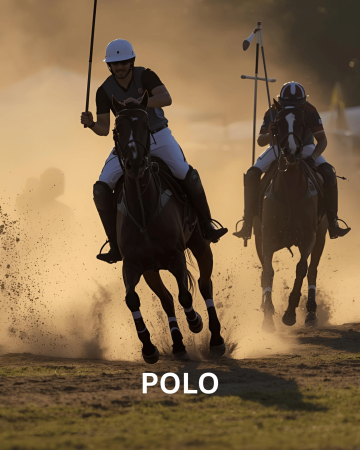
The Shandur Polo Festival, held annually in July, is more than just a sporting event; it is a cultural celebration that showcases the rich heritage of the region. This festival attracts thousands of tourists from all over the world, eager to witness the spectacle of freestyle polo.
The Event Itself
During the festival, teams from Chitral and Gilgit battle it out in a series of matches that are as much about skill and endurance as they are about tradition and honor. The matches are played without the usual polo rules, allowing for a fast-paced and thrilling experience. The winner of the festival not only earns the coveted trophy but also the pride of their respective region. The festival’s unique format, with its emphasis on freestyle play, adds an element of unpredictability that keeps spectators on the edge of their seats.
Cultural Significance
The festival is a vibrant display of local culture, featuring traditional music, dance, and handicrafts. It is a time when the local communities come together to celebrate their shared history and identity. The event also serves as a platform for cultural exchange, where visitors can immerse themselves in the customs and traditions of the people of Shandur. This cultural richness enhances the festival experience, creating a tapestry of sights, sounds, and flavors that captivate the senses.
The Role of Tradition and Innovation
While the festival is rooted in tradition, it also embraces innovation, reflecting the dynamic nature of Shandur’s cultural landscape. Traditional elements such as music and dance are complemented by modern influences, creating a harmonious blend that appeals to diverse audiences. This balance between tradition and innovation ensures that the festival remains relevant and engaging, attracting new generations of visitors while honoring the past.
The Impact of the Festival on the Local Economy
The Shandur Polo Festival plays a crucial role in boosting the local economy. The influx of tourists during the festival generates significant revenue for the region, providing livelihoods for many of the local inhabitants. From hospitality to handicrafts, the festival creates numerous opportunities for economic growth.
Tourism and Development
The increased visibility of Shandur through the festival has led to improvements in infrastructure and development in the region. Roads, accommodations, and other facilities have been enhanced to cater to the growing number of visitors, contributing to the overall progress of the area. This development not only benefits the local economy but also improves the quality of life for residents, providing them with access to better services and opportunities.
Economic Opportunities
The festival creates a myriad of economic opportunities for the local population. Artisans and craftsmen showcase their skills through traditional handicrafts, attracting buyers from around the world. Local businesses, including hotels, restaurants, and transport services, see a surge in demand, providing employment and stimulating economic growth. The festival’s economic impact extends beyond its duration, as the increased exposure attracts tourists year-round, ensuring a steady flow of revenue.
Sustainable Growth
As the festival continues to grow in popularity, there is a concerted effort to ensure that this growth is sustainable. Local authorities and organizations are working to implement practices that balance economic development with environmental conservation. Initiatives such as waste management and eco-friendly infrastructure aim to minimize the festival’s ecological footprint, ensuring that the natural beauty of Shandur is preserved for future generations.
Preserving the Heritage of Shandur
While the Shandur Polo Festival is a celebration of tradition, it also highlights the need to preserve the cultural heritage of the region. Efforts are being made to document and maintain the unique practices associated with the festival to ensure they are passed down to future generations.
Challenges and Conservation Efforts
Despite its popularity, the festival faces challenges such as environmental concerns and the need for sustainable tourism practices. Local authorities and organizations are working together to address these issues, ensuring that the festival remains a cherished cultural event for years to come. Conservation efforts focus on protecting the natural environment, preserving historical sites, and promoting sustainable tourism practices that benefit both the community and the ecosystem.
Education and Awareness
Raising awareness about the cultural and environmental significance of Shandur is crucial to its preservation. Educational programs and initiatives aim to engage both locals and visitors, highlighting the importance of protecting the region’s heritage. These efforts foster a sense of responsibility and stewardship, encouraging individuals to actively participate in conservation activities and support sustainable practices.
The Role of the Community
The local community plays a vital role in preserving the heritage of Shandur. Community-led initiatives, supported by local authorities and organizations, focus on documenting traditional knowledge, promoting cultural practices, and advocating for sustainable development. By actively involving the community in these efforts, the cultural and natural heritage of Shandur is safeguarded, ensuring that it remains a source of pride and inspiration for generations to come.
Conclusion
Shandur, with its breathtaking beauty and rich cultural heritage, is a testament to the enduring spirit of the people who call this region home. The Shandur Polo Festival is a magnificent celebration that not only highlights the area’s historic love for polo but also serves as a bridge connecting diverse cultures. As we appreciate the cultural significance of Shandur, we are reminded of the importance of preserving such traditions for future generations to enjoy. Embracing both tradition and innovation, Shandur continues to captivate the hearts of all who visit, offering a glimpse into a world where the past and present coexist harmoniously.
Q&A
Question: Where is Shandur, and why is it called the “Roof of the World”?
Short answer: Shandur is a high altitude plateau in the Ghizer District of Gilgit-Baltistan, Pakistan, positioned between the Chitral District of Khyber Pakhtunkhwa and Ghizer. At around 12,200 feet, its sweeping meadows, crystal-clear lakes, and ring of snow-capped peaks give it the “Roof of the World” reputation. Its strategic location makes it a cultural crossroads where traditions from both regions meet, and its cool summers and harsh winters shape local lifestyles and determine when events like the polo festival can take place.
Question: What makes Shandur’s polo (Chowgan) unique compared to traditional polo?
Short answer: In Shandur, polo has evolved from its ancient cavalry-training roots into a fast, freestyle game with more relaxed rules than standard polo. This creates quicker, more dynamic matches that emphasize endurance, skill, and local flair. Known locally as Chowgan, it serves as a living cultural symbol that blends deep tradition with a distinctive regional identity.

Question: When is the Shandur Polo Festival held, and what happens during it?
Short answer: The festival takes place each July, when the weather is favorable and the plateau is accessible. Teams from Chitral and Gilgit face off in a series of high-energy, freestyle matches for a coveted trophy and regional pride. Beyond the games, visitors experience a rich cultural showcase of music, dance, and handicrafts, turning the event into a vibrant celebration and a platform for cultural exchange.
Question: How does the festival impact the local economy and development?
Short answer: The influx of visitors drives significant revenue for local communities, boosting livelihoods across hospitality, transport, and crafts. Increased visibility has spurred improvements in infrastructure such as roads and accommodations—benefiting both tourists and residents. The festival’s reputation also supports tourism beyond the event itself, helping sustain businesses year-round while encouraging sustainable development practices.
Question: What is being done to preserve Shandur’s environment and cultural heritage?
Short answer: Stakeholders are pursuing sustainable tourism and conservation through efforts like waste management, eco-friendly infrastructure, and the protection of natural and historical sites. Education and awareness programs engage locals and visitors in stewardship, while community led initiatives document traditions and promote cultural practices. These collaborative measures aim to balance popularity with preservation so Shandur’s environment and heritage endure for future generations.


