Gilgit Baltistan
Nestled in the northern region of Pakistan, Gilgit Baltistan is a land of breathtaking landscapes, rich culture, and endless adventure. This region, often referred to as a paradise on earth, offers a unique blend of nature, history, and tradition that beckons travelers from around the globe. In this guide, we will explore the wonders of Gilgit Baltistan, providing insights into its tourist attractions, travel tips, and cultural highlights. The allure of Gilgit Baltistan is not only in its majestic mountains but also in the vibrant tapestry of its culture and the warmth of its people. Whether you are a thrill-seeker or a culture enthusiast, this region offers a wealth of experiences waiting to be discovered.
Summary A captivating mix of world-class mountain scenery and vibrant culture, Gilgit Baltistan offers soaring peaks like K2, vast glaciers, tranquil valleys and lakes, and welcoming communities with deep-rooted traditions. Highlights include Hunza, Skardu, Deosai National Park, and Fairy Meadows, alongside ancient forts, festivals, and skilled artisans. Visitors can trek iconic routes, raft rivers, stargaze, and savor local cuisine, with April to October being the ideal time to visit via air or the Karakoram Highway. Expect variable mountain weather, occasional flight disruptions, and a wide range of accommodations.
Gilgit Baltistan is home to some of the world’s highest peaks, including K2, the second-highest mountain on earth. The region’s rugged terrain is dominated by the Karakoram Range, a magnet for mountaineers and trekkers. The sight of these towering mountains, adorned with sparkling glaciers, is nothing short of awe-inspiring. The Baltoro Glacier, one of the largest outside the polar regions, is a must-see for those seeking the raw beauty of nature.

The region offers a plethora of trekking routes, each offering a unique perspective of the mountainous landscape. For novice hikers, the trek to Rakaposhi Base Camp provides a moderate challenge with rewarding views. Meanwhile, seasoned climbers can tackle the more demanding routes to K2 Base Camp or Nanga Parbat, known as the “Killer Mountain” due to its challenging ascent.
The beauty of Gilgit Baltistan’s mountains extends beyond their physical presence. As the sun rises and sets, the play of light and shadow on the peaks creates a mesmerizing spectacle. These moments, when the mountains are bathed in hues of pink and gold, are treasured memories for all who witness them.
The cultural diversity of Gilgit Baltistan is one of its most captivating aspects. The region is a mosaic of ethnic groups, including the Balti, Shina, and Wakhi people, each with their unique traditions, languages, and customs. This diversity is celebrated through a variety of local festivals, where music, dance, and traditional attire take center stage, offering visitors a glimpse into the vibrant cultural tapestry.
Visitors can delve into the region’s history by exploring its ancient forts and archaeological sites. Baltit Fort and Altit Fort in Hunza Valley are splendid examples of ancient architecture, providing insight into the strategic importance of the region throughout history. These forts, now museums, house artifacts that narrate tales of bygone eras.
The hospitality of the people in Gilgit Baltistan is legendary. Travelers often find themselves invited into homes for a cup of tea or a meal, experiencing firsthand the warmth and generosity that is a hallmark of the region’s culture. Engaging with the locals offers a deeper understanding of their way of life and the challenges they face in this remote yet enchanting land.
Beyond the mountains, Gilgit Baltistan boasts a diverse range of landscapes that captivate the imagination. The lush valleys, such as Hunza and Nagar, are dotted with terraced fields and fruit orchards, offering a stark contrast to the barren beauty of the high-altitude deserts. These valleys are havens of tranquility, where time seems to slow down, allowing visitors to immerse themselves in nature’s splendor.
The region’s rivers, including the mighty Indus, carve through the landscape, providing lifelines to the communities that line their banks. These waterways offer opportunities for rafting and fishing, adding to the adventure options available to visitors.
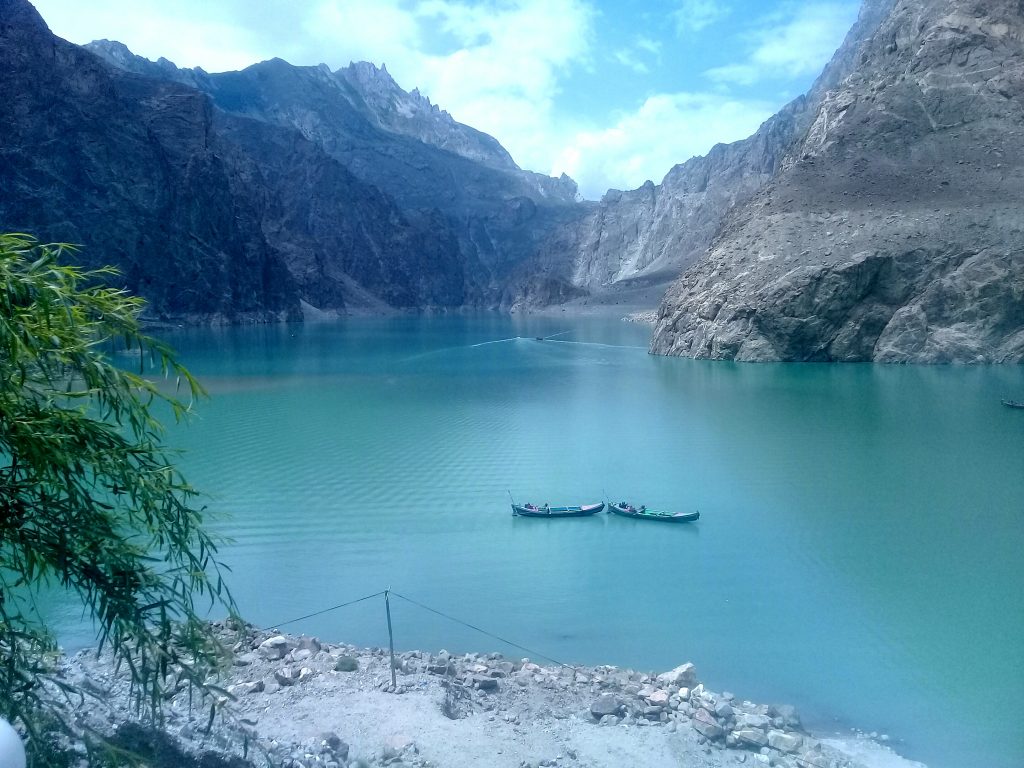
The surreal beauty of the landscapes in Gilgit Baltistan has inspired countless travelers and photographers. The interplay of light and shadow, the changing seasons, and the ever-present backdrop of the mountains create scenes that are as diverse as they are breathtaking.
Hunza Valley, often dubbed as “Heaven on Earth,” is a must-visit destination in Gilgit Baltistan. Surrounded by towering mountains and lush greenery, Hunza offers picturesque landscapes and a serene atmosphere. The valley is renowned for its breathtaking vistas, particularly during sunrise and sunset when the peaks glow in brilliant shades of orange and pink.
The historical sites within Hunza, such as Baltit Fort and Altit Fort, provide a fascinating glimpse into the region’s rich past. These forts, perched on rocky outcrops, offer panoramic views of the valley and the surrounding mountains, making them popular spots for photography enthusiasts.
In spring, the valley comes alive with vibrant apricot and cherry blossoms, creating a magical ambiance that captivates visitors. The local markets bustle with activity, offering an array of handicrafts and local produce. A stroll through these markets is an opportunity to engage with the friendly locals and learn about their way of life.
Skardu, the gateway to the mighty Karakoram Range, is an adventurer’s paradise. This bustling town serves as the starting point for expeditions to some of the world’s most challenging peaks, including K2 and Nanga Parbat. The surrounding landscape, with its dramatic mountains and pristine lakes, provides a stunning backdrop for a variety of outdoor activities.
The lakes around Skardu, such as Shangrila Lake and Satpara Lake, are natural wonders that offer opportunities for boating and fishing. The serene waters reflect the surrounding peaks, creating a tranquil setting that is perfect for relaxation and contemplation.
The Deosai National Park, known as the “Land of Giants,” is a haven for wildlife enthusiasts and nature lovers. This high-altitude plateau is home to a diverse range of flora and fauna, including the Himalayan brown bear. A visit to Deosai is a chance to witness the raw beauty of nature in one of the world’s most unique ecosystems.
Fairy Meadows, located at the base of Nanga Parbat, is a picturesque meadow that lives up to its name. With its lush green fields and breathtaking views of the towering Nanga Parbat, it’s a perfect spot for camping and photography. The meadow is a popular destination for both local and international travelers seeking a tranquil escape from the hustle and bustle of everyday life.

The journey to Fairy Meadows is an adventure in itself, involving a thrilling jeep ride followed by a hike through beautiful scenery. The trail winds through pine forests and along the edge of steep cliffs, offering stunning views at every turn. Upon reaching the meadow, visitors are rewarded with an unparalleled view of Nanga Parbat, one of the world’s most majestic peaks.
The serene environment of Fairy Meadows makes it an ideal location for stargazing. With minimal light pollution, the night sky is a breathtaking tapestry of stars, providing a perfect ending to a day of exploration and adventure.
The best time to visit Gilgit Baltistan is from April to October when the weather is pleasant, and the roads are accessible. During these months, the region’s natural beauty is at its peak, with blooming flowers and verdant landscapes. Spring and autumn offer mild temperatures and vibrant colors, making them ideal for sightseeing and photography.
Summer, with its warmer weather, is perfect for trekking and outdoor activities. The long daylight hours allow for extended exploration, whether you’re hiking in the mountains or exploring the cultural landmarks. However, it’s important to be prepared for sudden weather changes, as the mountains can have unpredictable conditions.
Winter, while beautiful in its own right, brings heavy snowfall and road closures, limiting access to many areas. For those who are adequately prepared and equipped, winter offers a different perspective of Gilgit Baltistan, with snow-covered landscapes and a quieter, more introspective atmosphere.
Travelers can reach Gilgit Baltistan by air or road. The region is served by Gilgit and Skardu airports, with flights connecting to Islamabad. These flights offer stunning aerial views of the mountains, making the journey itself an unforgettable experience. However, due to the unpredictable weather, flight schedules can be affected, so flexibility in travel plans is advisable.
Alternatively, road travel from Islamabad to Gilgit or Skardu offers a scenic but long journey through the Karakoram Highway, one of the highest paved roads in the world. The drive, while lengthy, provides an opportunity to witness the changing landscapes and the grandeur of the mountains up close. Stops along the way, such as at the viewpoint of Nanga Parbat, add to the adventure.
For those who prefer a more immersive travel experience, local buses and shared taxis offer a more authentic way to explore the region. These modes of transport allow travelers to interact with locals and gain insights into their daily lives and culture.
Gilgit Baltistan offers a range of accommodation options, from luxury hotels to cozy guesthouses and campsites. It’s advisable to book in advance, especially during peak tourist seasons, to secure the best options. Many accommodations offer stunning views of the surrounding mountains, adding to the overall experience of staying in this breathtaking region.
The local cuisine is a delightful experience, with dishes like chapshuro, mantu, and the famous apricot soup. These traditional meals, often made from locally sourced ingredients, provide a taste of the region’s culinary heritage. Dining with locals or at local eateries offers an opportunity to savor these dishes while learning about the cultural significance of food in Gilgit Baltistan.
Don’t miss the opportunity to try the traditional Hunza tea, a local favorite known for its health benefits. This unique blend of tea, herbs, and spices is a comforting beverage that warms the soul, especially after a day of exploration. For those with a sweet tooth, local bakeries offer a selection of pastries and sweets that are perfect for indulging in after a hearty meal.
For adventure seekers, Gilgit Baltistan is a paradise for trekking and mountaineering. The region’s diverse trails cater to all levels of experience, offering everything from leisurely walks to challenging ascents. Popular treks include the K2 Base Camp Trek, the Nanga Parbat Base Camp Trek, and the Baltoro Glacier Trek. Each of these treks provides a unique opportunity to experience the raw beauty of nature and the grandeur of the mighty mountains.
Trekking in Gilgit Baltistan is not just about the physical challenge; it’s also about the journey of discovery. Along the way, trekkers encounter remote villages, meet locals, and experience the culture and traditions that have shaped the region for centuries. The camaraderie among trekkers and the shared experiences create lasting memories and friendships.
The region’s challenging peaks, such as K2 and Nanga Parbat, attract mountaineers from around the world. These ascents require careful planning, preparation, and a deep respect for the mountains. Successful summits are celebrated not just as personal achievements but as shared victories with the entire mountaineering community.
Engaging with the local culture is an enriching part of the Gilgit Baltistan experience. Visitors can attend traditional music and dance performances, which are often held during festivals and special occasions. These performances, featuring local instruments and vibrant costumes, provide insight into the artistic heritage of the region.
Local handicraft shops offer a variety of unique souvenirs, including handwoven rugs, shawls, and gemstones. These items, crafted with skill and precision, reflect the cultural heritage and artisanal traditions of the area. Purchasing these souvenirs not only supports local artisans but also allows travelers to take a piece of Gilgit Baltistan home with them.
The region’s artisans are known for their craftsmanship, creating beautiful items that reflect the cultural heritage of the area. Whether it’s a piece of jewelry, a hand-carved wooden item, or a woven textile, each piece tells a story of the people and the land. Engaging with the artisans and learning about their craft adds a deeper dimension to the travel experience.
Gilgit Baltistan is a destination that captivates the hearts of all who visit. Its natural beauty, rich culture, and thrilling adventures make it a must-visit for travelers seeking an unforgettable experience. Whether you’re exploring the majestic mountains, immersing yourself in the local culture, or embarking on a trekking adventure, Gilgit Baltistan promises a journey of discovery and wonder. So pack your bags and set out to explore the wonders of this incredible region. As you traverse this land of contrasts and marvels, you’ll find that Gilgit Baltistan is more than just a destination; it’s a journey into the heart of nature and humanity.
Frequently Asked Questions
Question: When is the best time to visit Gilgit Baltistan, and what weather should I expect? Short answer: April to October is ideal. Spring and autumn bring mild temperatures and vibrant colors, while summer offers long days perfect for trekking and outdoor activities. Mountain weather can change suddenly, so pack for variable conditions. Winter brings heavy snowfall and road closures, limiting access—but those prepared will find serene, snow-covered landscapes.
Question: How do I get to Gilgit Baltistan, and what are the pros and cons of each option? Short answer: You can fly to Gilgit or Skardu from Islamabad or travel by road via the Karakoram Highway. Flights are fast and offer spectacular mountain views but are often delayed or canceled due to weather—build flexibility into your plans. The highway drive is long yet scenic, showcasing dramatic landscapes with rewarding stops. Within the region, local buses and shared taxis provide an immersive way to travel and meet residents.
Question: What are the must-see places and experiences? Short answer: Don’t miss Hunza Valley (with Baltit and Altit Forts), Skardu and its lakes (like Shangrila and Satpara), Deosai National Park’s vast plateau, Fairy Meadows beneath Nanga Parbat, and the Baltoro Glacier. Highlights include sunrise/sunset mountain views, rafting rivers like the Indus, stargazing in low light-pollution areas, exploring ancient forts-turned-museums, and browsing lively local markets.
Question: Which treks suit beginners versus experienced hikers? Short answer: For novices, the Rakaposhi Base Camp trek offers a moderate challenge with big scenery. Experienced trekkers can aim for K2 Base Camp, Nanga Parbat Base Camp, or the Baltoro Glacier trek—routes renowned for their difficulty and grandeur. Beyond the physical effort, these journeys pass remote villages and foster meaningful encounters with local culture.
Question: What cultural and culinary experiences should I look for? Short answer: Expect legendary hospitality—tea invitations and warm welcomes are common. Seek out festivals featuring music, dance, and traditional attire, and visit fort museums for regional history. For food, try chapshuro, mantu, apricot soup, and the locally beloved Hunza tea; local bakeries offer sweet treats. Handwoven textiles, shawls, gemstones, and woodwork make memorable, artisan-crafted souvenirs.