

Gojal Valley Hunza district
Nestled in the northern region of Pakistan, Gojal Valley is a hidden gem that offers breathtaking landscapes, rich culture, and unique experiences. Known for its mesmerizing vistas and welcoming communities, Gojal Valley is a place where nature and tradition come together to create an unforgettable journey. In this article, we will explore the beauty of Gojal Valley, including its charming villages, the famous Gulmit area, and the local delicacy, Gojal fish.

Summary Gojal Valley blends dramatic Karakoram scenery with a vibrant Wakhi cultural heritage, centered around historic Gulmit and landmarks like Ondra Fort. Iconic sights such as the Passu Cones, nearby glaciers, and turquoise Attabad Lake showcase year-round beauty from wildflower springs to snowy winters. Visitors can trek to Borith Lake, brave the Hussaini Suspension Bridge, boat and fish (notably for Gojal trout), and join festivals like the Shandur Polo Festival. Handicrafts, music, dance, and traditional cuisine—especially Gojal fish dishes—complete an immersive and welcoming experience.
Gulmit, a small but vibrant village, is often considered the heart of Gojal Valley. Located about 135 kilometers from Gilgit, Gulmit serves as the administrative center of the valley. This picturesque village is surrounded by majestic mountains and lush greenery, making it a perfect starting point for exploring the valley.
Gulmit holds a significant place in history as it was once a summer capital for the rulers of the Hunza state. The village is dotted with historical sites, including centuries-old mosques and traditional houses that reflect the architectural style of the region. Visitors can explore the Gulmit Old House, a heritage site that offers a glimpse into the past.
The architectural style of Gulmit is a testament to the ingenuity and craftsmanship of its past inhabitants. The wooden carvings and stone masonry seen in the traditional houses are not just aesthetically pleasing but also serve functional purposes, such as insulation against harsh weather conditions. Each structure tells a story of the blending of various cultural influences over the centuries.
Additionally, the village is home to the historic Ondra Fort, perched atop a hill offering panoramic views of the valley. This fort, though in ruins, speaks volumes about the strategic importance of Gulmit during different eras. Visitors often find themselves captivated by the tales of bravery and resilience associated with this ancient fortress.
The people of Gulmit, like the rest of Gojal Valley, are known for their hospitality and warmth. The majority of the population belongs to the Wakhi ethnic group, and they speak Wakhi and Burushaski languages. The local culture is rich with traditional music, dance, and handicrafts, which visitors can experience during festivals and community events.

Music and dance play a pivotal role in the cultural tapestry of Gulmit. Traditional instruments such as the Rubab and Daf are commonly used, creating melodies that resonate with the history and spirit of the valley. These performances are often accompanied by traditional dances that narrate stories of love, heroism, and folklore.
Handicrafts in Gulmit are not just souvenirs but are a reflection of the valley’s artistic heritage. Intricately woven carpets, hand-embroidered textiles, and beautifully crafted pottery are some of the crafts that visitors can purchase. Each piece represents the skill and creativity of the artisans, often passed down through generations.
Moreover, the cuisine in Gulmit is a delightful exploration of flavors. Traditional dishes often utilize locally sourced ingredients, with recipes that have been handed down over generations. Sharing a meal with the locals is not just about savoring the taste but also about experiencing the community’s warmth and generosity.
The natural beauty of Gojal Valley is unmatched, with its towering peaks, serene lakes, and lush meadows. The valley is part of the larger Hunza region and is surrounded by some of the highest mountains in the world, including the mighty Karakoram range.
One of the most captivating sights in Gojal Valley is the Passu Cones, a series of pointed peaks that create a stunning backdrop against the blue sky. These natural formations are a favorite among photographers and nature enthusiasts. The nearby Passu Glacier is another must-visit spot, offering a glimpse of the raw beauty of glaciers.
The landscape of Gojal Valley changes dramatically with the seasons. In spring, the valley comes alive with a kaleidoscope of colors as wildflowers bloom, adding to the valley’s charm. Summer brings lush greenery, providing a stark contrast to the rugged mountains, while autumn paints the valley in shades of gold and rust.
Winter in Gojal Valley transforms the scenery into a magical wonderland. The snow-capped peaks and frozen lakes offer a serene and tranquil environment, perfect for those seeking solitude and reflection. This is also the time when adventurous souls can partake in winter sports like skiing and snowboarding.
Attabad Lake, also known as Gojal Lake, is a striking turquoise lake formed in 2010 after a massive landslide blocked the Hunza River. This natural wonder has become a popular tourist destination, where visitors can enjoy boating, fishing, and simply soaking in the tranquil surroundings.
The creation of Attabad Lake was a result of a natural disaster that transformed the landscape dramatically. Despite its tragic beginnings, the lake has become a symbol of resilience and beauty. The vibrant turquoise waters, set against the backdrop of rugged mountains, create a picture-perfect setting that captivates visitors.
Boating on Attabad Lake offers a unique perspective of the valley. As you glide over the pristine waters, the panoramic views of the surrounding peaks and cliffs provide a breathtaking experience. Fishing enthusiasts will find the lake teeming with various fish species, offering both challenge and reward.
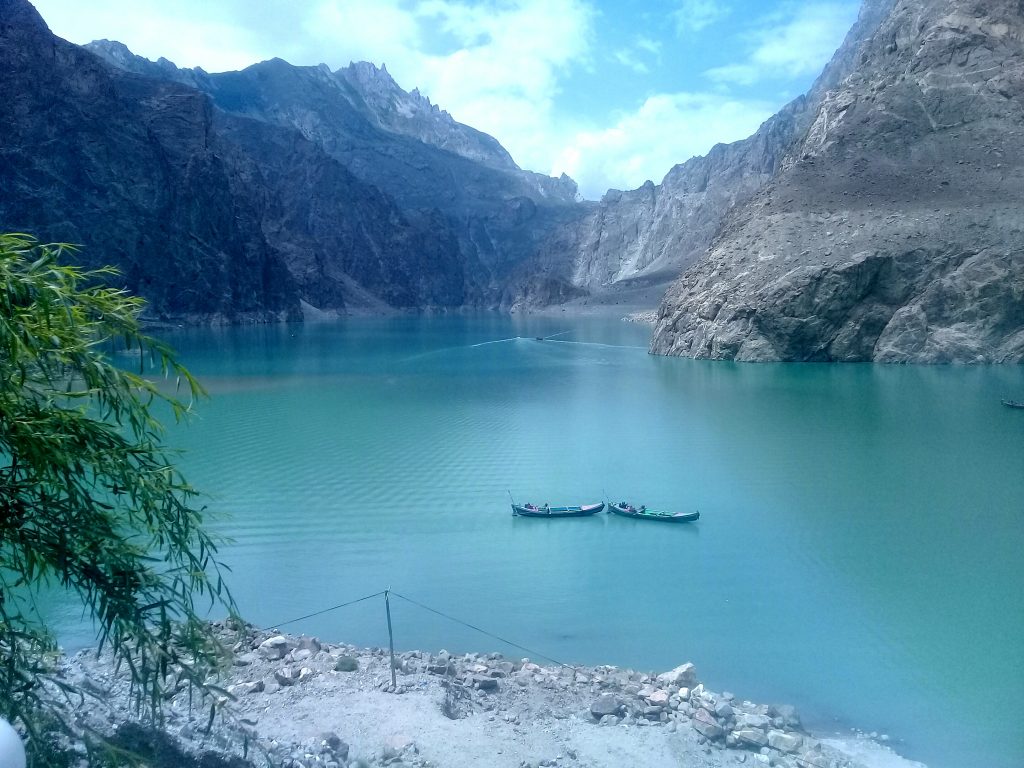
The area around Attabad Lake has seen development in terms of tourism infrastructure, making it easier for visitors to access and enjoy the lake’s beauty. Local eateries have sprung up, offering a taste of traditional cuisine with a view, making every meal an experience to remember.
The waters of Gojal Valley are home to a variety of fish, making it a popular spot for fishing enthusiasts. Among the local delicacies, Gojal fish stands out as a must-try.
Fishing is a cherished activity in Gojal Valley, with both locals and tourists enjoying the serene experience of casting a line into the clear waters. The valley’s rivers and lakes are teeming with fish, including the famous Gojal trout, known for its delicious taste and tender texture.
The experience of fishing in Gojal Valley is more than just a pastime; it’s a cultural tradition. The clear, cold waters of the valley’s rivers and lakes provide the perfect habitat for trout, making it a popular catch. Anglers often find themselves surrounded by stunning scenery, enhancing the tranquility of the fishing experience.
Local fishing techniques have been honed over generations, with methods that respect the ecosystem and ensure sustainability. These traditional practices not only preserve the fish population but also maintain the ecological balance of the valley’s waterways.
Fishing in Gojal is also a social activity, with families and friends often gathering by the lakeside to share stories and enjoy the peaceful surroundings. For visitors, joining a local fishing expedition provides an opportunity to connect with the community and learn about their way of life.
Gojal fish is often prepared using traditional recipes that highlight the natural flavors of the fish. Grilled, smoked, or cooked in savory stews, Gojal fish dishes are a treat for the taste buds. Visitors can enjoy these delicacies in local eateries, where the fish is served fresh and seasoned with local herbs and spices.
The culinary experience of Gojal fish is a journey into the heart of traditional Wakhi cuisine. Each dish is a testament to the region’s culinary heritage, with recipes that have been passed down through generations. The use of local herbs and spices not only enhances the flavor but also reflects the valley’s agricultural bounty.
Grilled Gojal fish, often marinated with a blend of herbs, offers a smoky flavor that is both robust and satisfying. Smoked fish, on the other hand, provides a delicate texture and a rich taste that lingers on the palate. These preparations are often accompanied by freshly baked bread and local chutneys, creating a harmonious blend of flavors.
For those who prefer a heartier meal, Gojal fish stews are a must-try. Cooked with vegetables and spices, these stews offer a comforting and nourishing experience, especially during the colder months. Sharing a meal of Gojal fish with locals is not just about savoring the taste but also about experiencing the warmth and hospitality of the community.
Gojal Valley offers a range of activities for adventure seekers and nature lovers alike. Whether you’re interested in trekking, exploring cultural sites, or simply enjoying the peaceful environment, there’s something for everyone.

With its rugged terrain and breathtaking views, Gojal Valley is a paradise for trekkers and hikers. There are numerous trails that vary in difficulty, catering to both novice and experienced hikers. Popular trekking routes include the trek to Borith Lake and the hike to the Hussaini Suspension Bridge, known for its thrilling experience.
Each trail in Gojal Valley offers a unique perspective of the landscape, from serene lakeside paths to challenging mountain climbs. The trek to Borith Lake is a favorite among nature lovers, providing a peaceful retreat surrounded by stunning scenery. The lake itself is a haven for birdwatchers, with a variety of migratory birds making it their temporary home.
The Hussaini Suspension Bridge, often dubbed the “most dangerous bridge in the world,” offers an adrenaline-pumping experience for thrill-seekers. Crossing the swaying bridge, suspended high above the river, provides an unparalleled view of the valley and a sense of achievement once completed.
Guided treks are available for those who prefer to explore with an expert. Local guides not only ensure safety but also enrich the trekking experience with stories and insights about the region’s history and culture. Whether you’re seeking adventure or serenity, Gojal Valley’s trails offer something for every traveler.
Visitors to Gojal Valley can immerse themselves in the local culture by participating in traditional festivals and events. The Shandur Polo Festival, held annually, is a highlight where you can witness thrilling polo matches and enjoy cultural performances.
Cultural festivals in Gojal Valley are vibrant celebrations of the region’s heritage. The Shandur Polo Festival, held on the world’s highest polo ground, is not just a sporting event but a cultural extravaganza. Spectators are treated to exhilarating matches, traditional music, and dance performances, providing a glimpse into the valley’s rich cultural tapestry.
Local festivals offer an opportunity for visitors to engage with the community and experience the traditions that define Gojal Valley. From colorful parades to lively music and dance, these events showcase the valley’s cultural diversity and the warmth of its people.
Participating in these cultural experiences allows visitors to connect with the local community on a personal level. Whether it’s sharing a meal during a festival or joining a traditional dance, these interactions provide a deeper understanding of the valley’s way of life and the values that bind its people together.
Gojal Valley is a destination that offers more than just stunning scenery; it provides a rich tapestry of culture, adventure, and culinary delights. Whether you’re exploring the historic village of Gulmit, marveling at the natural wonders, or savoring the taste of Gojal fish, this valley promises an unforgettable experience. Plan your visit to Gojal Valley and discover the beauty and charm that awaits in this enchanting part of the world.
In Gojal Valley, every moment is an opportunity to create lasting memories. The valley’s diverse landscapes, from majestic mountains to serene lakes, offer a backdrop of unparalleled beauty. Each village and community within the valley has its own unique story to tell, inviting visitors to explore and discover.
Beyond the breathtaking scenery, Gojal Valley is a place where culture thrives. The warmth and hospitality of its people, coupled with their rich traditions and customs, create an atmosphere of welcome and belonging. Visitors leave with not just photographs but experiences that touch the heart and soul.
Whether you’re an adventurer, a culture enthusiast, or a culinary aficionado, Gojal Valley offers something for everyone. It’s a place where nature and tradition merge seamlessly, providing a journey that enriches and inspires. Plan your visit and let Gojal Valley weave its magic, leaving you with memories that will last a lifetime.
Frequently Asked Questions
Question: Why is Gulmit considered the heart of Gojal Valley? Short answer: Gulmit is both the administrative center and a historic hub of Gojal Valley, about 135 km from Gilgit. Once a summer capital for Hunza’s rulers, it’s rich in heritage sites like the Gulmit Old House and the hilltop Ondra Fort with panoramic views. Its traditional architecture—wooden carvings and stone masonry—reflects centuries of cultural blending and practical design suited to harsh weather, making it an ideal base for exploring the valley.
Question: What are the must-see natural landmarks and top outdoor activities? Short answer: Don’t miss the Passu Cones and nearby Passu Glacier, the turquoise Attabad (Gojal) Lake, and the serene Borith Lake. Popular activities include trekking to Borith Lake, crossing the thrill-filled Hussaini Suspension Bridge, boating and fishing on Attabad Lake, birdwatching, and winter sports like skiing and snowboarding. Guided treks are available and add local history and cultural insights.
Question: When is the best time to visit Gojal Valley? Short answer: It depends on what you want to experience. Spring brings wildflowers and vibrant colors; summer offers lush greenery and comfortable trekking; autumn paints the valley in gold and rust; winter transforms it into a tranquil, snowy landscape ideal for solitude and winter sports. The scenery is compelling year-round.
Question: How did Attabad Lake form, and what can visitors do there now? Short answer: Attabad Lake was created in 2010 when a massive landslide blocked the Hunza River. Though born from disaster, it’s now a symbol of resilience and a major attraction for boating, fishing, and lakeside relaxation. Tourism infrastructure and local eateries make it easy to enjoy the striking turquoise waters against rugged mountain backdrops.
Question: What is “Gojal fish,” and how is it typically enjoyed? Short answer: Gojal fish—especially the locally famed Gojal trout—is central to a long-standing, community-oriented fishing tradition that values sustainable, ecosystem-respecting methods. It’s prepared to highlight natural flavors: grilled with local herbs for a smoky richness, delicately smoked, or cooked into hearty stews often served with fresh bread and chutneys. Sharing these dishes is as much about hospitality and Wakhi culinary heritage as it is about taste.
Frequently Asked Questions (FAQs)
Q1. Where is Gojal Valley located?
Gojal Valley is located in Upper Hunza, Gilgit-Baltistan, Pakistan, near the Pakistan–China border.
Q2. What is Gojal Valley famous for?
Gojal Valley is famous for its stunning landscapes, glaciers, Attabad Lake, and iconic Passu Cones.
Q3. What is the best time to visit Gojal Valley?
The best time to visit Gojal Valley is from May to October when roads are open and weather is pleasant.
Q4. Is Gojal Valley safe for tourists?
Yes, Gojal Valley is considered very safe and is known for its peaceful and hospitable local communities.
Q5. How can tourists reach Gojal Valley?
Gojal Valley is accessible via the Karakoram Highway from Hunza and Gilgit.
Q6. Are hotels and guest houses available in Gojal Valley?
Yes, a range of hotels, guest houses, and homestays are available in villages like Passu, Gulmit, and Sost.
Questions & Answers (Q&A)
Q: Why should tourists visit Gojal Valley?
A: Tourists visit Gojal Valley for its dramatic mountain scenery, turquoise lakes, glaciers, and unique Wakhi culture.
Q: Is Gojal Valley suitable for family trips?
A: Yes, it is ideal for family trips due to its calm environment and friendly locals.
Q: Is Gojal Valley good for honeymoon travel?
A: Yes, its serene atmosphere and breathtaking views make it a perfect honeymoon destination.
Q: Can tourists go trekking in Gojal Valley?
A: Yes, Gojal Valley offers trekking opportunities to glaciers, high-altitude passes, and scenic viewpoints.
Q: What is the weather like in Gojal Valley?
A: Summers are cool and pleasant, while winters are extremely cold with heavy snowfall.

