Nestled in the northernmost part of Pakistan, Hunza Valley is a paradise on earth that captivates travelers with its stunning landscapes and rich cultural heritage. Known for its towering peaks, vibrant traditions, and welcoming communities, Hunza offers an unforgettable experience for anyone seeking adventure or tranquility. Visitors are drawn to its spellbinding beauty, where every glance offers a postcard-perfect view. From the serene valleys to the majestic mountains, Hunza’s scenery is nothing short of enchanting, making it a must-visit destination for nature lovers and cultural enthusiasts alike.
Hunza Valley is renowned for its breathtaking natural beauty. With its lush green terraces, crystal-clear rivers, and snow-capped mountains, it paints a picture that seems straight out of a fairytale. But there’s more to Hunza than just its scenery. The valley is a melting pot of history, culture, and tradition, each contributing to its unique charm. Explorers will find a region rich in stories, where ancient legends intertwine with the modern-day lifestyle of its residents.
The people of Hunza are known for their hospitality and warmth. Visitors often find themselves welcomed into homes with open arms and are treated like family. This generosity is a hallmark of Hunza’s culture, where community and togetherness are highly valued. The local community is predominantly Ismaili Muslims, and their culture is a unique blend of tradition and modernity. This blend is evident in the way they celebrate their heritage while embracing new ideas and technologies. Visitors are often greeted with smiles and may even be invited to join in traditional celebrations.
Hunza’s rich cultural tapestry is woven with music, dance, and festivals. Music is an integral part of life in Hunza, with traditional instruments like the rubab and daf playing a central role in celebrations. Dance, too, is a vibrant expression of the valley’s cultural identity, often performed during festivals and special occasions. The locals celebrate various festivals with zeal, and these events are a great opportunity for visitors to immerse themselves in Hunza’s vibrant culture. Festivals like the Ginani, a harvest celebration, are a testament to the valley’s agricultural roots and offer a glimpse into the communal spirit that defines Hunza.
Burushaski, Wakhi, and Shina are the primary languages spoken in Hunza. Each language reflects the diverse ethnic backgrounds of the region’s inhabitants. These languages are not just means of communication but are carriers of history, stories, and traditions passed down through generations. Traditional crafts like weaving and embroidery are also an integral part of Hunza’s cultural identity. These crafts are more than just art; they are a way of life that showcases the skill and creativity of the local artisans. Visitors can witness these crafts being made and even purchase them as souvenirs, bringing a piece of Hunza’s culture back home.
Cultural preservation is important to the people of Hunza, who take pride in their heritage. Efforts are made to teach the younger generation about their roots, ensuring that their unique traditions continue to thrive. Education plays a significant role, with local schools incorporating cultural studies into their curriculum. This commitment to preserving their way of life is evident in every aspect of daily life in Hunza, from the language spoken to the food served at family gatherings.
Hunza’s landscapes are a testament to nature’s artistry. The valley is surrounded by some of the world’s highest peaks, including Rakaposhi and Ultar Sar, making it a haven for trekkers and climbers. The natural beauty of Hunza is diverse, with each season offering its own unique charm. In spring, the valley bursts into life with colorful blossoms, while winter paints the landscape in serene whites. No matter the time of year, Hunza’s beauty is a constant, inviting visitors to explore its wonders.
Rakaposhi, standing at 7,788 meters, is one of the most iconic mountains in Hunza. Its name means “Snow Covered” in the local language, and its majestic presence dominates the skyline. The mountain’s grandeur is a source of inspiration for many, and its slopes are a favorite among mountaineers. For trekking enthusiasts, the Rakaposhi Base Camp trek offers a challenging yet rewarding adventure. The trek allows adventurers to experience the mountain up close, with breathtaking vistas and an opportunity to witness the diverse flora and fauna that thrive in this high-altitude environment.
Beyond its physical beauty, Rakaposhi holds cultural significance for the local people. It is often featured in local folklore, symbolizing strength and resilience. The mountain is a constant reminder of the natural forces that shape the valley and the lives of its inhabitants. Trekkers who undertake the journey to its base camp often return with not just photographs but memories and stories that last a lifetime.
Known as the Eighth Wonder of the World, the Karakoram Highway is a marvel of engineering that connects Pakistan to China. This highway winds through the heart of Hunza, offering travelers a scenic journey filled with breathtaking views at every turn. Its construction is a testament to human ingenuity and determination, overcoming the harshest terrains to create a vital link between two nations. The highway is not just a road but a journey through history, with landmarks and stories that date back centuries.
Traveling along the Karakoram Highway is an experience in itself. The changing landscapes, from rugged mountains to verdant valleys, offer a visual feast for the eyes. Along the way, travelers can stop at various points of interest, each with its own story and significance. The highway is also a cultural bridge, facilitating exchanges that enrich both sides and fostering a deeper understanding between the people of the region.
Hunza is home to numerous attractions that cater to various interests, from history buffs to nature lovers. Each attraction tells a story, offering a glimpse into the valley’s past and present. From ancient forts that echo with the tales of yore to natural wonders that leave visitors in awe, Hunza’s attractions are as diverse as its landscape. Whether you’re exploring historical sites or simply taking in the natural beauty, Hunza offers something for everyone.
Perched on a hill overlooking Karimabad, the Baltit Fort is a 700-year-old architectural masterpiece. Its strategic location offers panoramic views of the valley, making it a perfect spot for photographers. The fort’s architecture is a blend of Tibetan and Balti influences, reflecting the cultural exchanges that have shaped Hunza’s history. Inside, the fort houses a museum with artifacts that provide insight into the region’s history and heritage.
Baltit Fort is not just a historical site but a living testament to the valley’s resilience. It has withstood the test of time, serving as a symbol of strength and continuity. Visitors can explore its many rooms, each telling a story of the fort’s past inhabitants and their way of life. Guided tours offer an immersive experience, allowing visitors to delve deeper into the history that shaped Hunza and its people.
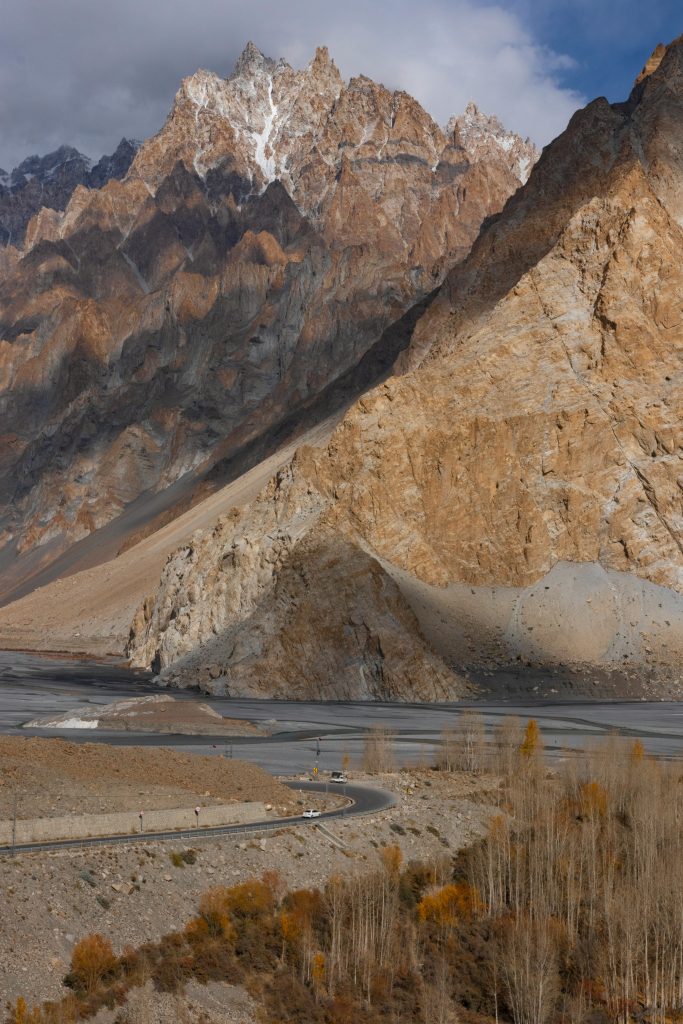
The Passu Cones are a series of striking peaks that form a natural skyline like no other. Their unique shape and the surrounding landscapes make them a favorite spot for photographers and nature enthusiasts. These jagged peaks rise dramatically from the valley floor, creating a stunning backdrop that captivates all who visit. The area around Passu Cones is ideal for hiking and exploration, offering numerous trails that lead to breathtaking vantage points.
The allure of the Passu Cones lies not just in their beauty but in the sense of peace they impart. Standing before these majestic peaks, one can’t help but feel a connection to the earth and the forces that shaped it. The cones have become a symbol of Hunza’s natural beauty, drawing visitors from around the world who come to marvel at their grandeur and tranquility.
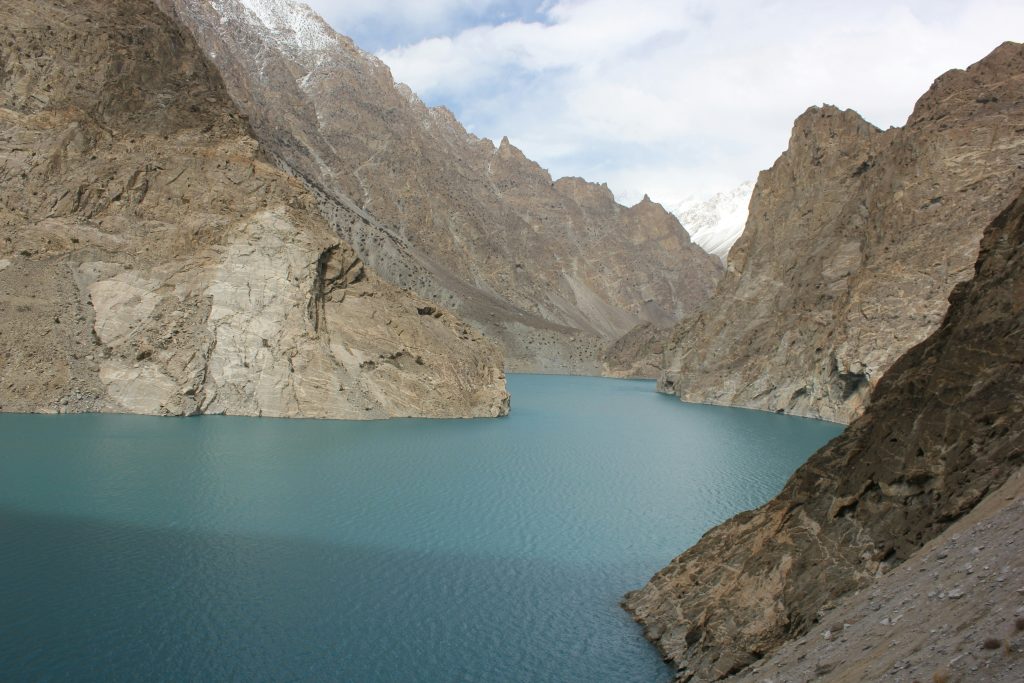
A tragic landslide in 2010 led to the creation of Attabad Lake, but it has since become one of Hunza’s most visited attractions. The lake’s turquoise waters are a sight to behold, offering a serene escape from the hustle and bustle of daily life. Visitors can enjoy boating and other water activities, taking in the stunning views that surround them. The lake is a reminder of nature’s unpredictable power, yet it has become a place of beauty and recreation.
Attabad Lake’s formation has also brought economic opportunities to the region. Local businesses offer boat tours and other services, allowing visitors to experience the lake’s beauty from different perspectives. The lake has become a hub of activity, with tourists and locals alike drawn to its calm waters and picturesque setting. It stands as a testament to the resilience of the Hunza people, who have embraced this natural wonder and turned it into a source of pride and prosperity.
Hunza’s culinary scene is as diverse as its culture. The local cuisine is a delightful blend of flavors influenced by the region’s geography and cultural exchanges. Each dish tells a story, reflecting the valley’s agricultural roots and the creative use of local ingredients. From hearty meals that provide sustenance for long treks to sweet treats that satisfy the soul, Hunza’s cuisine is a journey of taste and tradition.
Hunza’s traditional dishes include Chapshuro, a meat pie, and Diram Phitti, a sweet dish made from wheat and apricot oil. These dishes reflect the region’s reliance on locally sourced ingredients, providing a taste of Hunza’s unique flavors. Chapshuro is a popular dish, often enjoyed by families and visitors alike. Its savory filling and flaky crust make it a satisfying meal that captures the essence of Hunza’s culinary heritage.
Diram Phitti, on the other hand, offers a sweet contrast, with its rich flavors and melt-in-your-mouth texture. It’s a favorite during special occasions and festivals, symbolizing abundance and celebration. These traditional dishes are more than just food; they are a cultural expression that brings people together, creating bonds and memories that last a lifetime.
Hunza is famous for its apricots, and visitors can savor a variety of apricot-based products, from jams to dried apricots. These treats are not only delicious but also a significant part of the local economy. Apricots are a staple in Hunza, with the region’s unique climate and soil conditions yielding some of the finest fruits. The harvest season is a time of joy and activity, with families coming together to collect and process these golden treasures.
Apricot products are a testament to the ingenuity of the Hunza people, who have developed various ways to preserve and enjoy this fruit. From tangy jams that brighten breakfasts to dried apricots that offer a quick energy boost, these products are a true taste of Hunza. Visitors often take these delights home as souvenirs, sharing a piece of the valley’s bounty with friends and family.
As more travelers discover Hunza, there is a growing emphasis on sustainable tourism practices to preserve the valley’s natural beauty and cultural heritage. The balance between welcoming visitors and protecting the environment is crucial, ensuring that Hunza remains a pristine destination for future generations. Local communities and organizations are working together to promote responsible tourism that benefits both visitors and residents.
Local initiatives focus on community-based tourism, where visitors are encouraged to engage with local communities, support local businesses, and participate in cultural activities. This approach ensures that tourism benefits the local population while minimizing environmental impact. Community-based tourism fosters mutual respect and understanding, allowing visitors to gain a deeper appreciation for Hunza’s culture and way of life.
Visitors participating in community-based tourism can enjoy unique experiences, such as staying in local guesthouses, dining on traditional meals, and joining in cultural events. These interactions provide an authentic glimpse into the daily lives of Hunza’s residents, creating meaningful connections and memories. By supporting local businesses and initiatives, tourists contribute to the valley’s economic development, ensuring that the benefits of tourism are shared equitably.
Efforts are underway to promote eco-friendly practices among tourists and businesses in Hunza. These include waste management initiatives and the use of sustainable resources to ensure that the valley remains pristine for future generations. Local authorities and organizations are working to raise awareness about the importance of environmental conservation, encouraging both residents and visitors to adopt sustainable habits.
Eco-friendly practices extend to various aspects of tourism, from accommodation to transportation. Many guesthouses and hotels are implementing measures to reduce their carbon footprint, such as using renewable energy sources and minimizing waste. Tour operators are also offering eco-friendly tours, promoting activities that have a low environmental impact. By embracing these practices, Hunza aims to set an example for sustainable tourism that other regions can follow.
Hunza Valley is a destination that promises awe-inspiring landscapes, rich cultural experiences, and the warmth of its people. Whether you’re trekking through its majestic mountains, exploring its historical sites, or savoring its culinary delights, Hunza offers an enriching journey that lingers in the heart long after you’ve left. The valley’s beauty and charm are matched only by the resilience and hospitality of its residents, who welcome visitors with open arms and open hearts.
For those seeking a blend of adventure and serenity, Hunza stands as a beacon of nature’s grandeur and human resilience. Its breathtaking landscapes and vibrant culture offer a retreat from the ordinary, inviting travelers to discover a world where the past meets the present. As you leave Hunza, you’ll carry with you not just memories but a piece of its spirit, a reminder of the enchanting beauty that awaits in this corner of the world.