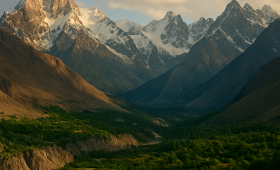
Gilgit Baltistan is one of the most breathtaking regions of Pakistan, located in the northern part of the country. Known for its towering mountains, crystal clear lakes, vast glaciers, and warm hearted people, Gilgit Baltistan is truly a paradise for nature lovers and adventure seekers. Every valley tells a story, and every turn reveals a view that feels almost unreal.
Introduction to Gilgit Baltistan
Gilgit Baltistan lies at the crossroads of some of the world’s greatest mountain ranges the Karakoram, Himalayas, and Hindu Kush. This unique geographical position makes it home to some of the highest peaks on Earth, including K2, the second-highest mountain in the world.
- Capital: Gilgit
- Major Cities: Gilgit, Skardu, Hunza (Karimabad), Ghizer, Astore
- Languages: Shina, Balti, Burushaski, Wakhi, Khowar, Urdu
Natural Beauty and Geography
The natural beauty of Gilgit Baltistan is unmatched. Snow covered peaks, deep valleys, roaring rivers, and serene lakes come together to create landscapes that look like scenes from a dream.
Famous Mountains and Glaciers of Gilgit Baltistan
- K2 (Mount Godwin-Austen): A symbol of pride and challenge for mountaineers worldwide
- Nanga Parbat: Known as the “Killer Mountain” due to its steep and dangerous climbs
- Baltoro Glacier: One of the longest glaciers outside the polar regions
Valleys and Lakes
- Hunza Valley: Often described as heaven on earth, famous for its beauty and longevity of its people
- Skardu Valley: Gateway to the great peaks and glaciers of the Karakoram
- Attabad Lake: A stunning turquoise lake surrounded by dramatic mountains
- Shangrila Lake (Lower Kachura): A peaceful and picturesque tourist destination
- Deosai Plains: The world’s second-highest plateau, known as the “Land of Giants”
Culture and People
The people of Gilgit Baltistan are known for their simplicity, hospitality, and strong sense of community. The region is culturally rich, with multiple ethnic groups living together peacefully for centuries. Traditional music, folk dances, poetry, and colorful festivals reflect the vibrant cultural heritage of the area.
Traditional clothing is simple yet elegant, designed to suit the cold climate. Local cuisine is healthy and organic, often made from home-grown ingredients. Apricots are especially famous and are used to make oil, jams, and traditional dishes.
Tourism and Adventure
Gilgit Baltistan is a dream destination for adventure tourism. It offers endless opportunities for
- Trekking (Fairy Meadows, Rakaposhi Base Camp, Baltoro Trek)
- Mountaineering and rock climbing
- Camping and nature photography
- Jeep safaris and cultural tourism
Whether you are an adrenaline lover or someone seeking peace in nature, Gilgit Baltistan has something for everyone.
Karakoram Highway and CPEC
The Karakoram Highway (KKH) is one of the highest paved international roads in the world, connecting Pakistan with China. Passing through the heart of Gilgit Baltistan, it plays a vital role in tourism, trade, and regional development. The highway is also a major part of the China–Pakistan Economic Corridor (CPEC), bringing new opportunities for economic growth to the region.
Climate and Best Time to Visit Gilgit Baltistan
- Best time to visit: May to September, when the weather is pleasant and roads are open
- Winter (December–February): Extremely cold with heavy snowfall, ideal for those who love snow but challenging for travel.
Gilgit Baltistan is not just a place; it is an experience that stays with you forever. Its majestic mountains, peaceful valleys, rich culture, and welcoming people leave a deep impression on every visitor. If you truly want to witness the beauty of nature at its finest, a journey to Gilgit-Baltistan should be on your travel list.
https://en.wikipedia.org/wiki/Gilgit-Baltistan