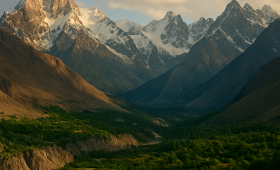
Gilgit Baltistan, a region renowned for its breathtaking landscapes, towering mountains, and deep rooted cultural heritage, is home to a variety of unique traditions and festivals. Among the most vibrant and colorful of these celebrations is the Dho Nasalo Festival. This festival, celebrated by the indigenous people of Gilgit Baltistan, is a spectacular showcase of their rich history, folklore, and cultural values. It is an event that brings together both locals and tourists, making it a key moment in the region’s cultural calendar. In this article, we will explore the Dho Nasalo Festival, delving into its history, cultural significance, unique customs, and the way it is celebrated by the people of Gilgit Baltistan.
What is the Dho Nasalo Festival?
The Dho Nasalo Festival is a traditional celebration marking the arrival of spring and the end of the long winter season in Gilgit-Baltistan. It signifies the transition from the cold, harsh months of winter to the warmth and prosperity of the spring season. The festival serves as a time for locals to come together, celebrate the renewal of life, and express their gratitude for the bounty of nature.
This joyful event is characterized by vibrant dances, folk music, culinary traditions, and community rituals that have been passed down from generation to generation. The festival brings the entire community together, including the elderly who pass down the stories and songs of the past to the younger generation, ensuring the preservation of their cultural heritage. It’s not just a festival; it’s an embodiment of the unity and spirit of the people of Gilgit-Baltistan.
During the Dho Nasalo Festival, visitors can witness the region’s fascinating blend of culture, nature, and spirituality, making it one of the most eagerly awaited festivals of the year in the region. The festival attracts not only locals but also tourists from across Pakistan and even international visitors who come to experience the unique charm of Gilgit-Baltistan.
History and Significance of the Dho Nasalo Festival
The Dho Nasalo Festival has deep historical roots in the ancient traditions of Gilgit-Baltistan. Its origins can be traced back to centuries ago when communities in the region celebrated the renewal of nature and the prosperity of their agricultural activities. The festival was historically a way to mark the change of seasons and ensure a bountiful harvest. It is also a time for thanksgiving, where people honor their ancestors, offer prayers for future prosperity, and seek blessings for the upcoming season.
The name “Dho Nasalo” comes from the local dialect of the region. The term “Dho” refers to a celebration of the new season, and “Nasalo” symbolizes unity and togetherness. The festival emphasizes the importance of family and community bonds, reminding people to appreciate the beauty of nature and the importance of cooperation. Over time, the festival has become not just a celebration of nature’s abundance, but also a reminder of the cultural importance of shared traditions and collective joy.

The Dho Nasalo Festival is also a time when families come together to offer their thanks to the gods for the blessings of the past year and ask for continued prosperity. It is a day of renewal, where old grievances are forgotten, and the people look forward to a fresh start, full of hope and unity.
How the Dho Nasalo Festival is Celebrated
The celebration of the Dho Nasalo Festival is a multi-day event filled with a wide variety of activities, each more colorful and lively than the last. The festival kicks off with a ceremonial welcome to spring, as the community gathers to perform sacred rituals. These rituals often involve offerings of food and flowers to the spirits of the earth, thanking them for the past season’s harvest and asking for blessings for the coming year.
One of the most exciting aspects of the Dho Nasalo Festival is the traditional dance performances. These dances are typically performed by both men and women and feature vibrant traditional costumes and intricate footwork. The dances are not just a form of entertainment; they hold deep symbolic meaning. Each movement and rhythm is a representation of agricultural cycles, the relationship between humans and nature, and the spirit of unity within the community. As the dancers sway to the beats of folk music, it is a powerful reminder of the region’s rich cultural heritage.
Another highlight of the festival is the song competitions that take place throughout the event. These competitions involve local singers performing traditional songs, often related to love, nature, and the history of the region. It is a time for both young and old to showcase their talent, and it serves as an opportunity for the community to appreciate the region’s musical traditions.
No festival would be complete without food, and the Dho Nasalo Festival is no exception. Traditional food plays a central role in the celebration. Families prepare and share locally grown dishes, which reflect the agricultural practices of the region. Some of the most popular foods include dumba (roast lamb), gilgit chapati, and apples from the region’s orchards. These dishes are enjoyed by everyone in the community, strengthening the bonds of unity and hospitality.
In addition to the dances, songs, and feasts, the festival often includes games and sports, with participants of all ages joining in. These activities are designed to promote healthy competition and further strengthen the sense of community. The festival is not just a celebration of nature’s bounty, but a chance for people to come together in a spirit of joy, laughter, and mutual respect.
The Dho Nasalo Festival in Gilgit-Baltistan is a vibrant and meaningful celebration that brings together the region’s rich cultural heritage, agricultural traditions, and community values. From the traditional dances and folk music to the shared meals and games, every aspect of the festival reflects the spirit of renewal, unity, and gratitude for the blessings of the earth. It is a beautiful reminder of the strong connections that bind the people of Gilgit-Baltistan to each other, their land, and their history. Whether you are a local or a visitor, the Dho Nasalo Festival is an experience that should not be missed, as it offers a rare and authentic glimpse into the heart of Gilgit-Baltistan’s traditions and culture.
https://yourwebsite.com/gilgit-baltistan-culture