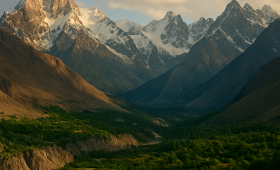
Gilgit Baltistan religion, a region nestled in the northernmost territories of Pakistan, is a land of stunning landscapes and rich cultural heritage. It serves as a bridge between the South and Central Asian regions, making it a melting pot of traditions and beliefs. The region is not only known for its breathtaking vistas but also for its vibrant cultural mosaic, deeply influenced by its diverse religious makeup. One of the most compelling aspects of this region is its diverse religious landscape. In this article, we will explore the predominant religions of Gilgit Baltistan, their historical roots, and how they shape the culture of the region today.

Summary Gilgit Baltistan is predominantly Muslim, featuring major Shia communities, notable Sunni populations, and a significant Ismaili presence (especially in Hunza and Ghizer), alongside small Hindu and Sikh communities and the historical legacy of Buddhism. This religious diversity shapes festivals, architecture, and daily life, while archaeological remains reflect the region’s Buddhist past. Despite episodes of sectarian tension, ongoing interfaith efforts and community development particularly led by the Ismaili network foster social cohesion and progress.
Before delving into the religious composition, it’s important to understand the geographical and cultural context of Gilgit Baltistan religion. The region is renowned for its awe-inspiring mountain ranges, including parts of the Himalayas and the Karakoram, which attract adventurers and nature lovers from around the globe. These towering peaks are not just natural wonders but also hold spiritual significance for many of the region’s inhabitants. It is home to several ethnic groups, each with its unique traditions and languages. The communities of Gilgit Baltistan, such as the Baltis, Shins, and Wakhi, among others, each add distinct threads to the cultural tapestry of the region. The rich tapestry of cultures in Gilgit Baltistan is deeply intertwined with its religious diversity, which is reflected in its festivals, rituals, and daily life. (Gilgit Baltistan religion)
Islam is the predominant religion in Gilgit Baltistan. The majority of the population adheres to Islam, with a significant presence of different sects, each contributing to the religious and cultural fabric of the area. The Islamic faith influences many aspects of life, from the call to prayer echoing in the valleys to the Islamic principles guiding social conduct and community life. This religious adherence is not only a spiritual practice but also a way of life that dictates the moral and ethical framework of the society. (Gilgit Baltistan religion)
A large portion of the Muslim population in Gilgit Baltistan follows Shia Islam. The Shia community has a profound influence on the cultural and social life of the region. They are known for their deep sense of community and the rich cultural traditions associated with their faith. Religious festivals such as Muharram are observed with deep reverence, and the community plays a significant role in local governance and societal norms. These observances are not just religious duties but are also occasions for communal solidarity and cultural affirmation, reflecting the historical and social significance of Shia Islam in the region. (Gilgit Baltistan religion)

Sunni Islam is also practiced in Gilgit Baltistan, though it represents a smaller segment compared to the Shia population. Sunni Muslims in the region maintain their distinct religious practices and traditions, contributing to the overall diversity of the area. The Sunni community often participates in regional and national religious events, adding their voices to the broader Islamic narrative within the region. Their presence ensures a multifaceted Islamic cultural experience in Gilgit Baltistan, where dialogue and interaction between different sects enrich the social fabric. (Gilgit Baltistan religion)
The Ismaili sect, led by the Aga Khan, has a significant following in parts of Gilgit Baltistan, particularly in Hunza and Ghizer districts. The Ismaili community is known for its emphasis on education and development, playing a crucial role in the socio-economic progress of the region. They have established numerous schools, health facilities, and development projects that benefit the wider community, emphasizing the importance of social responsibility and community service. Their approach to Islam is characterized by a focus on intellectual exploration and a commitment to improving quality of life, making them a dynamic force within the region. (Gilgit Baltistan religion)
While Islam is the dominant religion, other religions are also present in Gilgit Baltistan, though in smaller numbers. These religious communities, although small, add to the cultural diversity of the region and provide a window into the historical interactions between different faiths. (Gilgit Baltistan religion)

Historically, Buddhism had a presence in Gilgit Baltistan, dating back to ancient times when the region was part of the Silk Road. During this time, the region was a crossroads of cultural exchange and intellectual activity, with Buddhist monasteries serving as centers of learning and spiritual practice. While the Buddhist population has dwindled over the centuries, archaeological sites and relics still bear witness to its historical significance. These remnants, including ancient stupas and rock carvings, are cherished as cultural treasures that reflect the region’s past as a hub of Buddhist thought and practice. (Gilgit Baltistan religion)
Hinduism and Sikhism are practiced by a very small number of people in Gilgit Baltistan. These communities are primarily found in urban areas and maintain their religious practices and cultural traditions. Despite their small size, they contribute to the multicultural environment of the region, celebrating their own festivals and participating in broader community events. Their presence highlights the historical trade routes and cultural exchanges that have brought diverse peoples and beliefs to Gilgit Baltistan over the centuries. (Gilgit Baltistan religion)
The religious diversity in Gilgit Baltistan significantly influences its culture and traditions. This diversity is not only a source of rich cultural expression but also a foundation for social cohesion and mutual respect among different communities. (Gilgit Baltistan religion)
Religious festivals are a cornerstone of cultural expression in the region. Festivals such as Eid al-Fitr, Eid al-Adha, and Nowruz are celebrated with great enthusiasm and provide an opportunity for communities to come together, transcending sectarian lines. These celebrations are marked by vibrant gatherings, traditional music, dance, and communal feasts, reflecting the shared joy and solidarity among the people. Such events are not only religious observances but also cultural celebrations that strengthen community bonds and preserve traditional practices. (Gilgit Baltistan religion)
The architecture of mosques, shrines, and community centers reflects the religious diversity of Gilgit Baltistan. Intricate woodwork and stone carvings showcase the artistic heritage influenced by various religious traditions. These structures are not only places of worship but also cultural landmarks that embody the aesthetic values and craftsmanship of the region. The art and architecture of Gilgit Baltistan serve as a visual narrative of its religious history, with each style and motif telling a story of the diverse influences that have shaped the region over time. (Gilgit Baltistan religion)
Despite the religious diversity, Gilgit Baltistan has experienced sectarian tensions in the past. These tensions have sometimes threatened the social fabric of the region, leading to conflicts and misunderstandings. However, efforts are continuously made to promote harmony and coexistence among different religious communities. Interfaith dialogues and community programs aim to bridge gaps and foster mutual respect. These initiatives focus on education, awareness, and community engagement to build trust and understanding among the diverse populations of the region. The resilience of the people of Gilgit Baltistan in overcoming these challenges is a testament to their commitment to peace and unity.(Gilgit Baltistan religion)
Gilgit Baltistan is a unique region where religion plays a central role in shaping its identity and culture. The predominance of Islam, alongside remnants of other religions, creates a complex tapestry that is both diverse and harmonious. Understanding the religious dynamics of Gilgit Baltistan offers valuable insights into its culture and the way of life of its people. By appreciating this diversity, we can foster a greater appreciation for the rich heritage of this enchanting region. (Gilgit Baltistan religion)
In conclusion, Gilgit Baltistan is not only a place of natural beauty but also a land where multiple religious traditions coexist, each adding to the vibrant cultural mosaic. Whether you’re a traveler, a scholar, or simply curious about this part of the world, the religious and cultural richness of Gilgit Baltistan is sure to leave a lasting impression. The harmonious coexistence of diverse faiths and traditions in this region exemplifies the potential for unity amidst diversity, providing a model of peaceful cohabitation in a world often divided by differences.(Gilgit Baltistan religion)
Q&A Gilgit Baltistan religion
Question: What is the predominant religion in Gilgit Baltistan?
Short answer: Islam is the predominant religion. The region features major Shia communities, notable Sunni populations, and a significant Ismaili presence especially in Hunza and Ghizer each contributing to the religious and cultural fabric of daily life.
Question: Where are Ismaili Muslims concentrated, and what role do they play in society?
Short answer: Ismailis are concentrated mainly in Hunza and Ghizer. Led by the Aga Khan network’s emphasis on education and development, they have established schools, health facilities, and community projects that benefit the wider population and drive socio-economic progress.
Question: Are there non-Muslim religions in Gilgit Baltistan?
Short answer: Yes. Small Hindu and Sikh communities exist, primarily in urban areas, maintaining their traditions and festivals. Historically, Buddhism had a strong presence along the Silk Road; while the Buddhist population has dwindled, archaeological remains such as stupas and rock carvings testify to that legacy.
Question: How does religious diversity influence culture and everyday life in the region?
Short answer: Religious diversity shapes festivals, architecture, and social customs. Celebrations like Eid al-Fitr, Eid al-Adha, and Nowruz bring communities together, while mosques, shrines, and community centers display intricate woodwork and stone carvings that reflect varied religious influences.
Question: Has the region faced sectarian tensions, and how are they addressed?
Short answer: Gilgit Baltistan has experienced sectarian tensions in the past. Ongoing interfaith dialogues and community programs focused on education, awareness, and engagement work to bridge divides, foster mutual respect, and strengthen social cohesion.