

Gilgit Baltistan Population
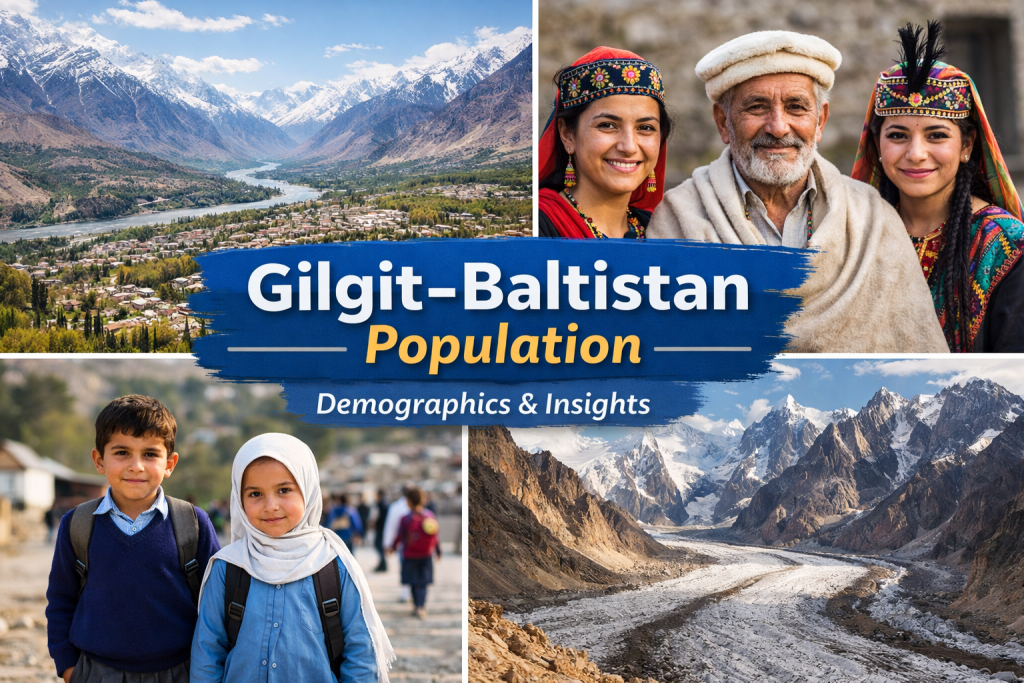
Gilgit Baltistan is one of the most unique and geographically diverse regions of Pakistan. Located in the extreme north of the country, this mountainous territory is known for its breathtaking landscapes, strategic importance, rich culture, and resilient communities. Among the many topics that attract researchers, tourists, and policymakers alike, Gilgit Baltistan population stands out as a crucial subject for understanding the region’s social, economic, and developmental dynamics.
The population of Gilgit Baltistan reflects centuries of migration, trade, cultural exchange, and adaptation to harsh mountain environments. Despite difficult terrain and limited resources, the people of this region have built strong communities with deep-rooted traditions. This article provides a comprehensive, SEO-optimized analysis of the population of Gilgit Baltistan, covering historical background, demographic composition, ethnic groups, languages, education levels, urban–rural distribution, population growth trends, and future challenges.
This long-form guide is designed for students, researchers, bloggers, and anyone interested in learning about the demographic reality of Gilgit Baltistan in a clear and structured way.
Overview of Gilgit Baltistan
Gilgit Baltistan borders Khyber Pakhtunkhwa to the west, Azad Jammu & Kashmir to the south, China to the northeast, and Afghanistan to the northwest. The region covers an area of approximately 72,971 square kilometers, making it one of the largest administrative units in Pakistan by area, yet one of the least densely populated. ( Gilgit Baltistan Population )
The extreme geography towering peaks, deep valleys, glaciers, and rivers has played a major role in shaping settlement patterns. Most of the population lives in valleys along rivers such as the Indus, Gilgit, Hunza, and Shigar.
Total Population of Gilgit Baltistan
The estimated population of Gilgit Baltistan is around 1.8 to 2 million people, according to various government and development sources. Compared to other provinces of Pakistan, this population size is relatively small, mainly due to the harsh climate, limited arable land, and challenging living conditions. ( Gilgit Baltistan Population )
Population Density
Gilgit Baltistan has one of the lowest population densities in Pakistan. While provinces like Punjab have dense urban centers, Gilgit Baltistan’s population is scattered across mountainous valleys. This low density presents both advantages and challenges less urban congestion but higher costs for infrastructure development.
Historical Background of Population Settlement
( Gilgit Baltistan Population ) The population history of Gilgit Baltistan is deeply connected to its location on ancient trade routes, including branches of the Silk Road. For centuries, traders, travelers, and invaders passed through this region, leaving behind cultural and genetic influences.
Early inhabitants settled near water sources and fertile land. Over time, small kingdoms and principalities emerged, such as Hunza, Nagar, Skardu, and Gilgit. These political entities shaped migration and settlement patterns that still influence population distribution today.
Ethnic Groups in Gilgit Baltistan
( Gilgit Baltistan Population ) One of the most remarkable features of the Gilgit Baltistan population is its ethnic diversity. Despite the small population size, the region is home to multiple ethnic groups, each with distinct traditions and histories.
Major Ethnic Communities
- Shina – One of the largest ethnic groups, mainly found in Gilgit, Astore, and Diamer districts.
- Balti – Predominantly residing in Skardu, Shigar, Khaplu, and surrounding areas.
- Burusho – Inhabiting Hunza and Nagar valleys, known for their unique language and long life expectancy myths.
- Wakhi – Living in upper Hunza (Gojal), near the China border.
- Khowar – Found in Ghizer district and areas close to Chitral.
This ethnic diversity contributes to a rich social fabric and strong local identities.

Languages Spoken in Gilgit Baltistan
Language diversity is another defining feature of the population. Several languages are spoken, often changing from valley to valley.
Major Languages
- Shina
- Balti
- Burushaski
- Wakhi
- Khowar
- Urdu (as a lingua franca)
Urdu is widely used for education, administration, and inter-community communication, while English is gaining importance, especially among the educated youth.
Religious Composition
Religion plays a significant role in shaping community life. The majority of the population follows Islam, but with diverse sectarian representation.
Religious Groups
- Shia
- Sunni
- Ismaili
- Noor Bakhshi
Despite sectarian diversity, many areas have a strong tradition of peaceful coexistence, community cooperation, and mutual respect.
Urban vs Rural Population
A large percentage of Gilgit Baltistan population lives in rural areas. Agriculture, livestock farming, and small-scale trade remain the primary sources of livelihood.
Major Urban Centers
- Gilgit City
- Skardu
- Aliabad (Hunza)
- Gahkuch
Urbanization is increasing gradually due to better education, job opportunities, and improved road infrastructure.
Population Growth Rate
The population growth rate of Gilgit Baltistan is moderate compared to other regions of Pakistan. Several factors influence this trend:
- Migration to major cities
- Limited employment opportunities
- Education awareness
- Harsh climatic conditions
While natural population growth exists, out migration of youth to Islamabad, Rawalpindi, Karachi, and abroad has a noticeable impact.
Education and Literacy Rate
Education levels in Gilgit Baltistan have improved significantly over the past two decades. NGOs, government initiatives, and private institutions have played a key role.
Literacy Overview
- Male literacy rate is higher than female, but the gap is narrowing
- Urban areas show higher literacy than rural valleys
- Girls’ education is particularly strong in areas like Hunza and Ghizer
Education directly influences population awareness, family planning, and economic participation.
Economic Activities and Population
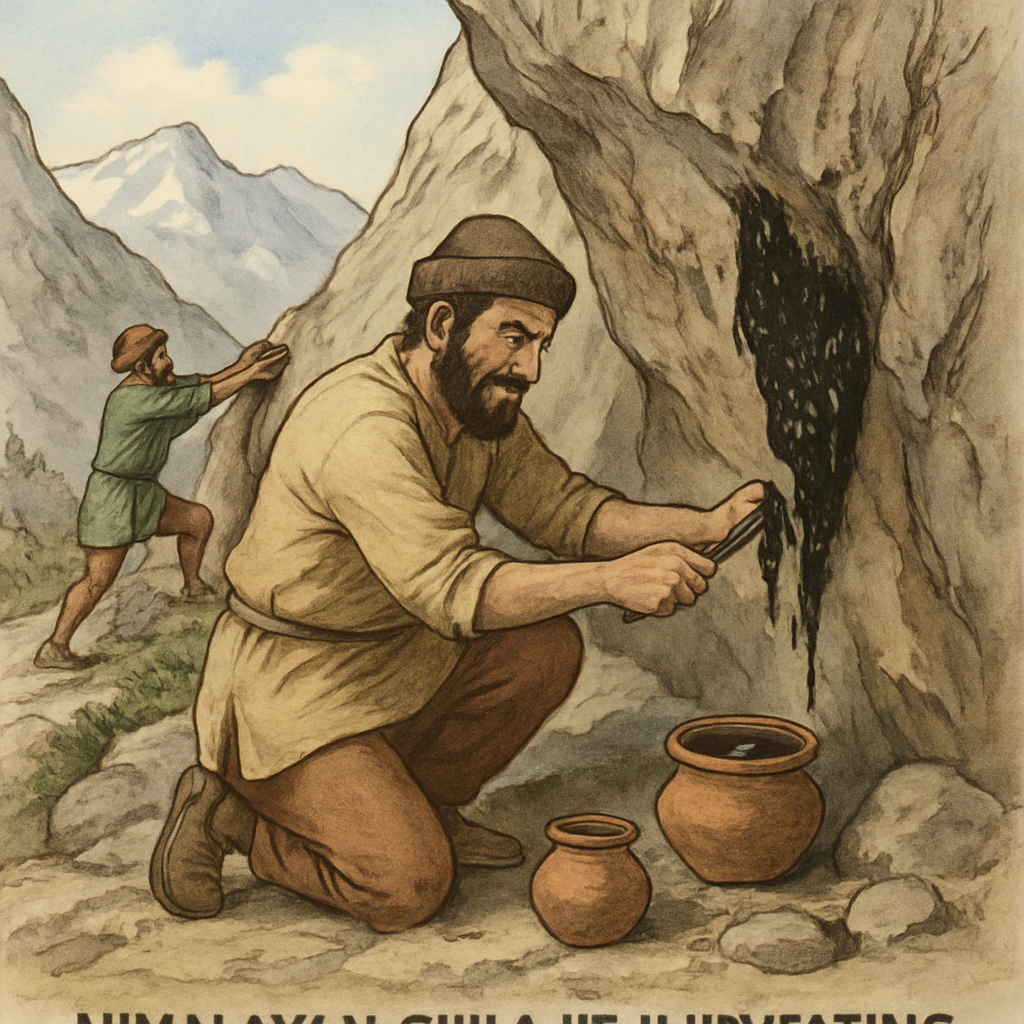
The population of Gilgit Baltistan depends largely on:
- Agriculture (wheat, barley, potatoes, fruits)
- Livestock farming
- Tourism
- Government employment
- Small businesses
Tourism has emerged as a major income source, influencing seasonal population movement and employment patterns. ( Gilgit Baltistan Population )
Migration Trends
Migration is a significant demographic factor.
Internal Migration
Many residents move to Pakistani cities for:
- Higher education
- Jobs
- Medical facilities
International Migration
A smaller number of people work abroad, especially in Gulf countries, contributing remittances that support local families.
Role of Women in Population Development
Women play a central role in maintaining family structures, agriculture, and education.
- Increasing female education
- Participation in local entrepreneurship
- Community development initiatives
Empowered women contribute to healthier population growth and social stability.
Health and Population Challenges
Healthcare access remains a challenge due to terrain and distance.
Major Issues
- Limited hospitals in remote areas
- Maternal and child health risks
- Seasonal isolation during winter
Improved healthcare infrastructure is essential for sustainable population growth.
Climate Change and Its Impact on Population
Climate change directly affects the population of Gilgit Baltistan.
- Glacial melting
- Flood risks
- Water availability changes
These factors influence settlement patterns and may lead to climate-driven migration in the future.
Future Population Trends
The future of Gilgit Baltistan population depends on:
- Education investment
- Sustainable tourism
- Climate adaptation
- Infrastructure development
Balanced development can help retain population and improve living standards.
Images Suggestions (Use with Proper Credits)
- Map of Gilgit Baltistan
- Gilgit city population view
- Skardu urban area
- Hunza valley communities
- Rural village life in Baltistan
Internal Links Suggestions
- Gilgit Baltistan Tourism Guide
- Hunza Valley Complete Guide
- Skardu Travel Blog
External Links Suggestions
- Pakistan Bureau of Statistics
- UNDP Pakistan
- Government of Gilgit Baltistan Official Website
FAQs ( Gilgit Baltistan Population )
What is the total population of Gilgit Baltistan?
The estimated population is around 1.8 to 2 million people.
Why is population density low in Gilgit Baltistan?
Due to mountainous terrain, harsh climate, and limited arable land.
Which ethnic group is largest in Gilgit Baltistan?
Shina and Balti communities are among the largest.
Is the population of Gilgit Baltistan growing?
Yes, but at a moderate rate compared to other regions of Pakistan.
Conclusion
The Gilgit Baltistan population represents resilience, diversity, and cultural richness shaped by geography and history. Understanding its demographic structure is essential for policy planning, tourism development, and sustainable growth. With the right focus on education, healthcare, and climate resilience, the Gilgit Baltistan population can look forward to a stable and prosperous future.


