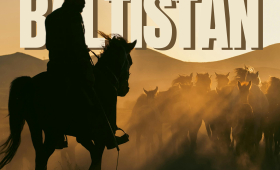
Nestled in the northern reaches of Pakistan lies Gilgit Baltistan, a region of unparalleled beauty. This area is a treasure trove of natural wonders and cultural richness.
Gilgit Baltistan is a paradise for adventure seekers and nature lovers. It boasts some of the world’s highest peaks, including the majestic K2.
The region’s diverse landscapes range from lush valleys to rugged mountains. Each offers a unique experience for travelers.
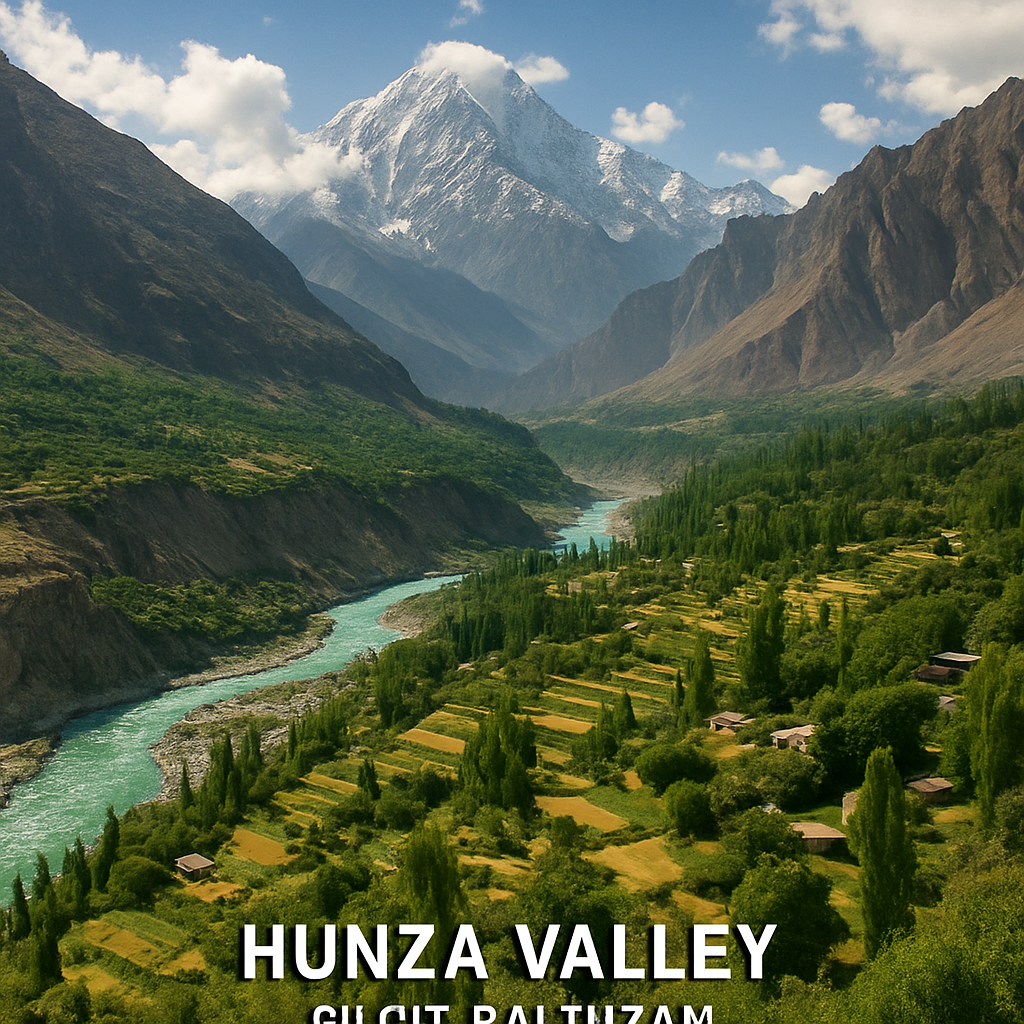
Hunza Valley, a jewel of Gilgit Baltistan, captivates visitors with its breathtaking views and vibrant culture. It’s a must-visit for anyone exploring the area.
The location of Gilgit Baltistan makes it a gateway to thrilling trekking routes. The Karakoram Range is a favorite among trekkers.
Rich in biodiversity, the region is home to unique flora and fauna. Its national parks and reserves are havens for wildlife enthusiasts.
Cultural heritage is deeply woven into the fabric of Gilgit Baltistan. Influences from Tibetan, Central Asian, and South Asian cultures are evident.
Traditional festivals, such as the Shandur Polo Festival, showcase the region’s vibrant traditions. These events offer a glimpse into local life.
The Location of Gilgit Baltistan Gateway to the North
Gilgit Baltistan is strategically located in the northernmost part of Pakistan. It’s a picturesque region bordered by towering mountains and breathtaking landscapes. Its placement makes it a natural crossroads for travelers and traders.
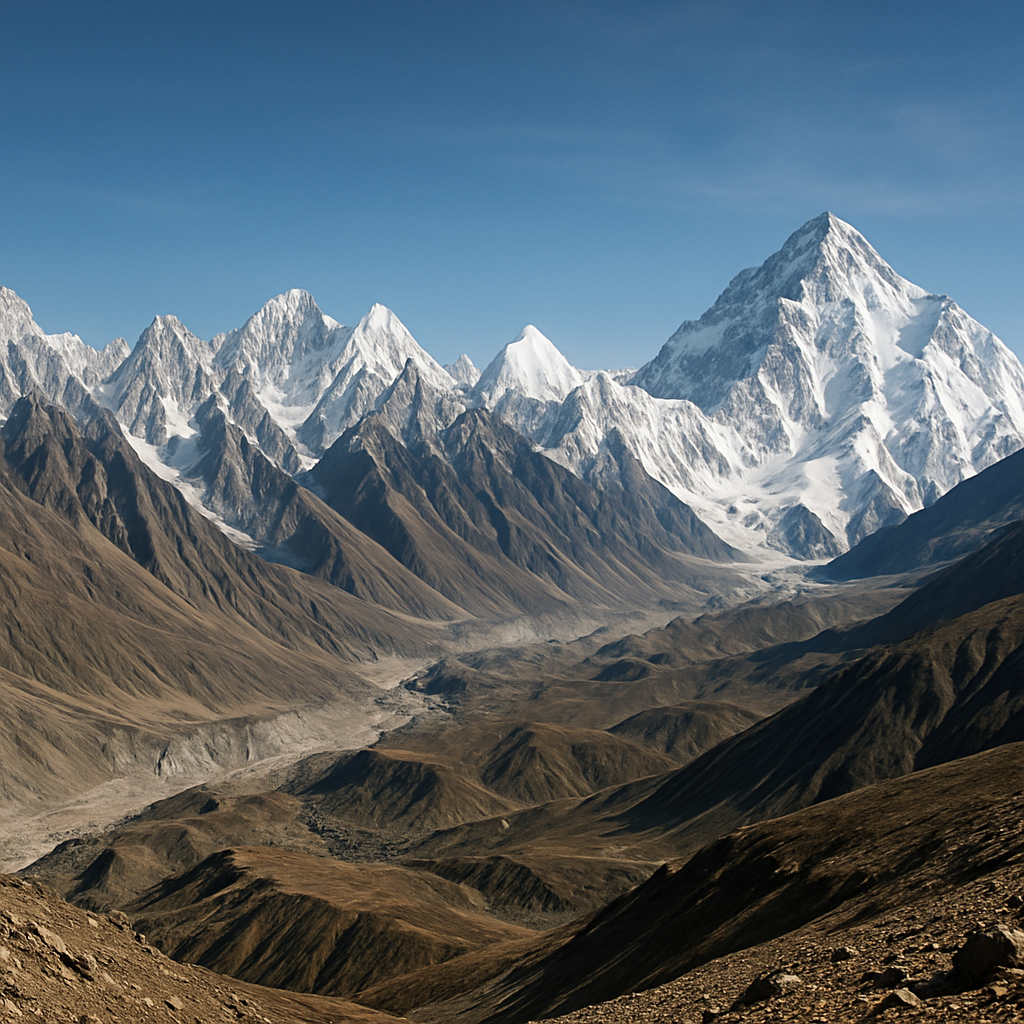
This region connects with three significant mountain ranges: the Himalayas, the Karakoram, and the Hindu Kush. This unique feature has made Gilgit Baltistan a hotspot for mountaineers and trekkers from all over the world.
The geography of Gilgit Baltistan is diverse and challenging. It offers a mix of arid lowlands and alpine highlands, creating unique weather patterns. The location of Gilgit Baltistan influences its climate dramatically.
Several major rivers, including the Indus, flow through the region. These rivers not only shape the landscape but also support agriculture. The fertile valleys along these rivers are essential for local communities.
The region’s strategic location has historical importance as well. It was a part of the ancient Silk Road, linking traders from East and West. This historical trade route contributed to the cultural diversity of Gilgit Baltistan.
For visitors, Gilgit Baltistan serves as a gateway to stunning valleys, majestic peaks, and rich culture. It’s a region that combines natural beauty with cultural richness.
Key location features of Gilgit Baltistan include:
- Borders with China and India
- Home to the Karakoram Highway
- Entry point for major trekking routes
A Brief History and Cultural Heritage
The history of Gilgit Baltistan is as rich as its landscapes are stunning. This region has been a cultural crossroads for centuries. It has witnessed the rise and fall of many empires.
During ancient times, the Silk Road ran through its valleys. This trade route allowed for the exchange of goods and ideas between East and West. As a result, Gilgit Baltistan became a melting pot of cultural influences.
The region’s historical significance is evident in its archaeological sites. Buddhist stupas and rock carvings dot the landscape, hinting at a vibrant past. These sites offer a glimpse into the life of ancient civilizations.
Gilgit Baltistan’s cultural heritage is influenced by Tibetan, Central Asian, and South Asian traditions. This mix is reflected in its music, dance, and art. Local festivals are vibrant displays of this rich cultural tapestry.
Traditional architecture showcases ancient craftsmanship. Stone and wood structures are designed to withstand harsh climates. The Baltit and Altit Forts in Hunza Valley are prime examples of this heritage.
The people of Gilgit Baltistan are known for their warmth and hospitality. They celebrate their diverse heritage with numerous festivals. These events are opportunities for cultural exchange and understanding.
Key cultural features of Gilgit Baltistan include:
- Influences from Tibetan, Central Asian, and South Asian cultures
- Ancient trade routes like the Silk Road
- Architectural gems such as Baltit and Altit Forts
The Majestic Mountains K2 and Beyond
Gilgit Baltistan is famed for its majestic peaks. Among these, K2 towers above all but Mount Everest. Located in the Karakoram Range, K2 is a dream destination for climbers worldwide.
K2 is not the only marvel in this mountainous region. The Karakoram and Himalayan ranges converge here, creating a spectacle of natural grandeur. These ranges are home to some of the world’s highest and most challenging mountains.
These mountains are a boon for adventure seekers. Climbers, trekkers, and nature enthusiasts flock to the region. They are drawn by the promise of breathtaking views and thrilling ascents.
Each peak tells a story of triumph and tragedy. Climbers have long been fascinated by these rugged heights. Scaling these mountains is a test of endurance, skill, and resilience.
The valleys nestled between these giants add to the beauty. They offer lush landscapes and crystal-clear streams. These valleys serve as serene starting points for treks and expeditions.
The mountains of Gilgit Baltistan support unique ecosystems. Snow leopards, ibex, and other wildlife thrive in this environment. Conservation efforts are crucial to protecting these habitats and their inhabitants.
For those less inclined to climb, there are other ways to appreciate these heights. The region offers scenic drives and cable car rides. These provide panoramic views of the stunning mountain landscapes.
Highlights of Gilgit Baltistan’s mountainous wonders include:
- K2, the “Savage Mountain,” second-highest peak in the world
- Convergence of the Karakoram and Himalayan ranges
- Unique ecosystems supporting diverse wildlife
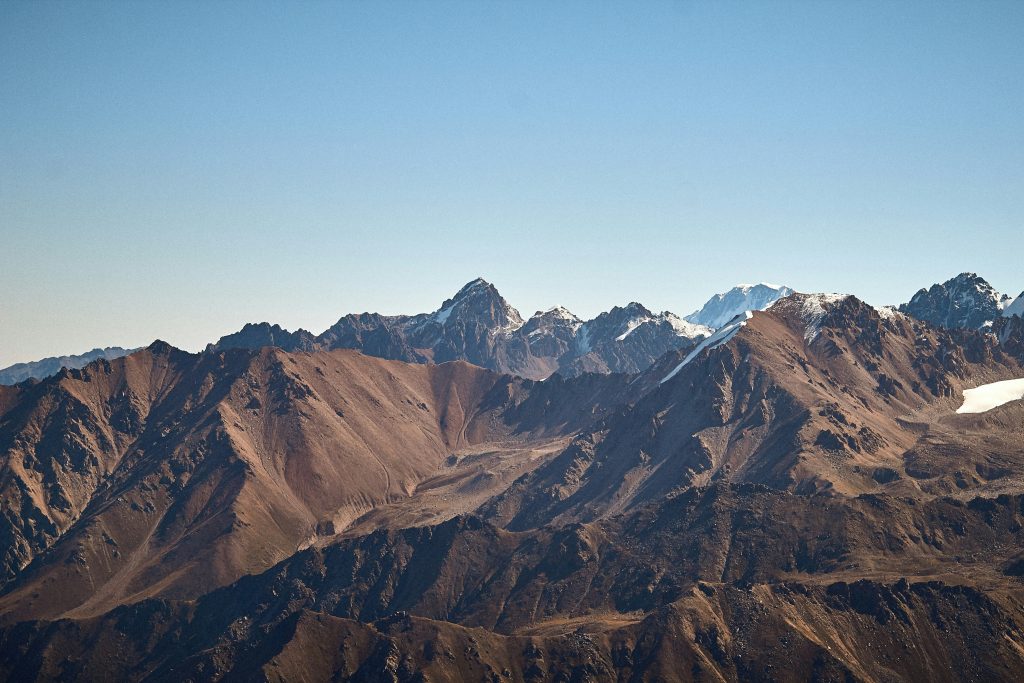
The awe-inspiring mountains are more than just geographical features. They are a testament to the power and beauty of nature. Gilgit Baltistan’s peaks stand as timeless guardians of the skies. They call out to explorers, nature lovers, and those seeking tranquility in the heights.

Valleys of Wonder: Hunza Valley, Skardu, and More
Gilgit Baltistan is renowned for its stunning valleys. These valleys are gems of natural beauty and cultural richness. Among them, Hunza Valley and Skardu stand out.
Hunza Valley is famous for its panoramic views and vibrant culture. It offers a unique blend of tranquility and adventure. Here, history and nature intertwine seamlessly.
Skardu serves as a gateway to numerous trekking routes. This valley is a paradise for nature lovers. Its landscapes include glittering lakes and majestic mountains.
Apart from Hunza and Skardu, several other valleys promise wonder. Each has its allure and attractions. Yasin Valley, for instance, is known for its lush greenery and serene environment.
The valleys of Gilgit Baltistan offer a kaleidoscope of experiences. From cultural festivities to outdoor activities, there is something for everyone. Visitors can immerse themselves in the local traditions and natural splendors.
Some notable valleys include:
- Hunza Valley: A cultural hub with breathtaking views
- Skardu Valley: A trekker’s paradise with stunning lakes
- Yasin Valley: Known for its verdant fields and calm atmosphere
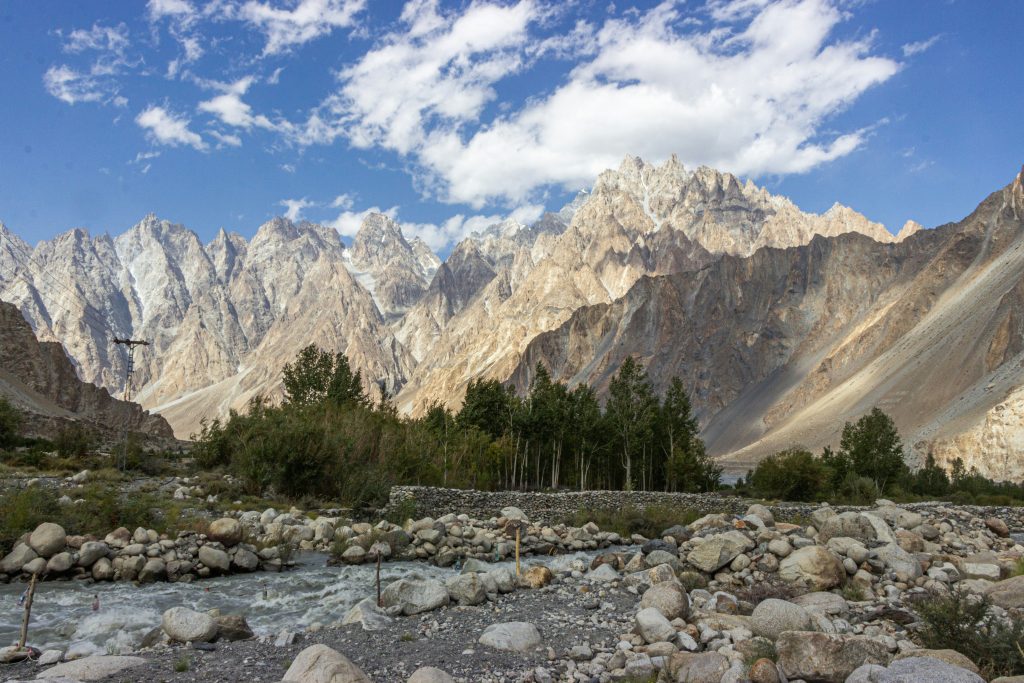
Many valleys have historical and cultural significance. These valleys are living museums of bygone eras. Ruins, fortresses, and traditional dwellings tell stories of the past.
Adventurers can explore the famous Baltoro Glacier. This trek offers views of the Trango Towers and K2. In contrast, the Rupal Valley provides access to Nanga Parbat, another mighty peak.
Wildlife enthusiasts will find much to admire. The rich ecosystems support diverse flora and fauna. Rare species such as the snow leopard inhabit these regions.
Popular activities in the valleys:
- Trekking and hiking: Numerous routes for all skill levels
- Cultural experiences: Interact with local communities and partake in festivals
These valleys are vital for sustainable tourism in the region. Efforts are ongoing to balance development with conservation. Responsible tourism benefits local economies and preserves these wonders.
Hunza Valley Gilgit Baltistan: Jewel of the North
Nestled amid towering peaks, Hunza Valley is iconic. This valley is celebrated for its breathtaking landscapes and historical sites. It remains a favorite among travelers worldwide.
The region is known for its warm hospitality. Visitors are welcomed with open arms by the local communities. Their culture and customs enrich any travel experience.
Hunza’s dramatic setting includes terraced fields and orchards. The valley blossoms in spring, displaying vibrant colors. In autumn, it turns golden, creating a picturesque scene.
Historically, Hunza was a princely state. Its rulers lived in fortresses that now serve as heritage sites. The Baltit and Altit Forts are prominent landmarks.
Major highlights of Hunza Valley include:
- Baltit Fort: An ancient seat of local royalty
- Rakaposhi Viewpoint: Offers stunning vistas of snow-capped peaks
- Ganish Village: One of the oldest settlements in Hunza
The community actively preserves its cultural heritage. Festivals and events reflect traditional music and dance. These occasions provide a window into the valley’s rich cultural tapestry.
Outdoor enthusiasts will find plenty to explore. The valley is ideal for trekking, with several trails leading to majestic views. Fairy Meadows offers a serene setting for nature lovers.
For a taste of local culture, try Hunza’s traditional cuisine. The food reflects influences from Central Asian and Pakistani cuisine. Dishes like Hunza bread and apricot soup are local favorites.
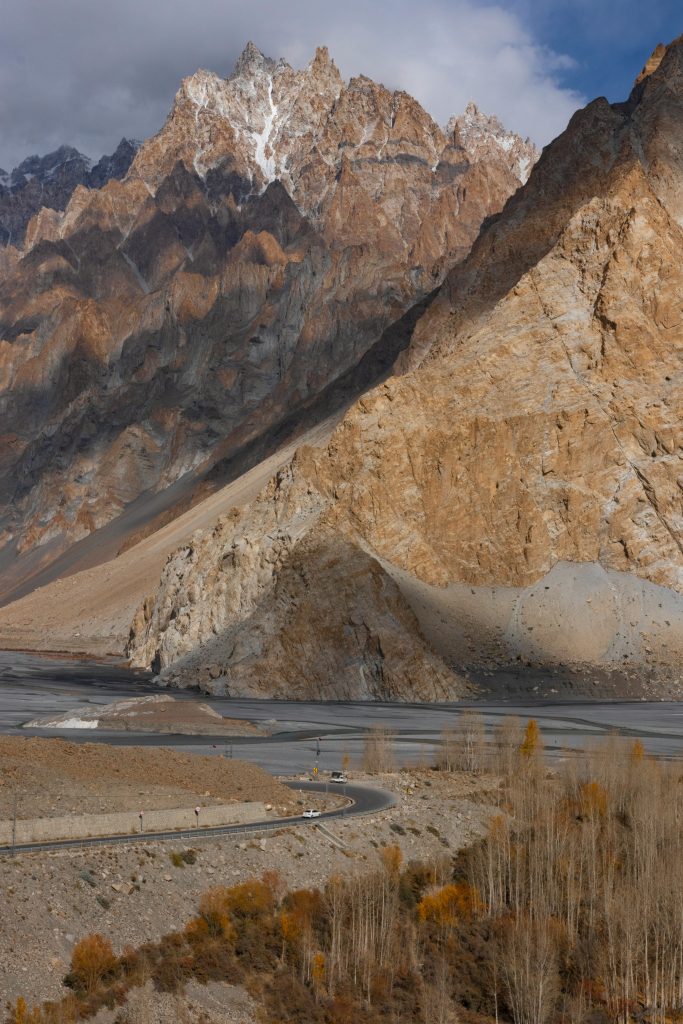
Skardu Land of Lakes and Legends
Skardu is famed for its enchanting landscapes. Nestled in a broad valley, it captivates with its serene beauty. The area is a haven for adventurers and peace seekers alike.
The valley is known for its stunning lakes. These mirror-like lakes are set against the backdrop of towering mountains. They provide perfect spots for picnics and photography.
Attractions in Skardu Valley include:
- Shangrila Resort: Known as “Heaven on Earth” for its magical setting
- Sheosar Lake: A high-altitude lake with panoramic views
- Satpara Lake: Offers boating and fishing opportunities
Skardu serves as a base for treks to the Karakoram’s tallest peaks. Expeditions to the Baltoro Glacier start here. The region’s challenging terrain attracts mountaineers worldwide.
The local culture enriches the Skardu experience. The Balti people are known for their hospitality and vibrant traditions. Their festivals and events are a delightful spectacle of local life.
Skardu also holds strategic historical significance. It has been a crossroads of trade and cultural exchange. The ancient Silk Road passed through this valley, leaving a legacy of diversity.
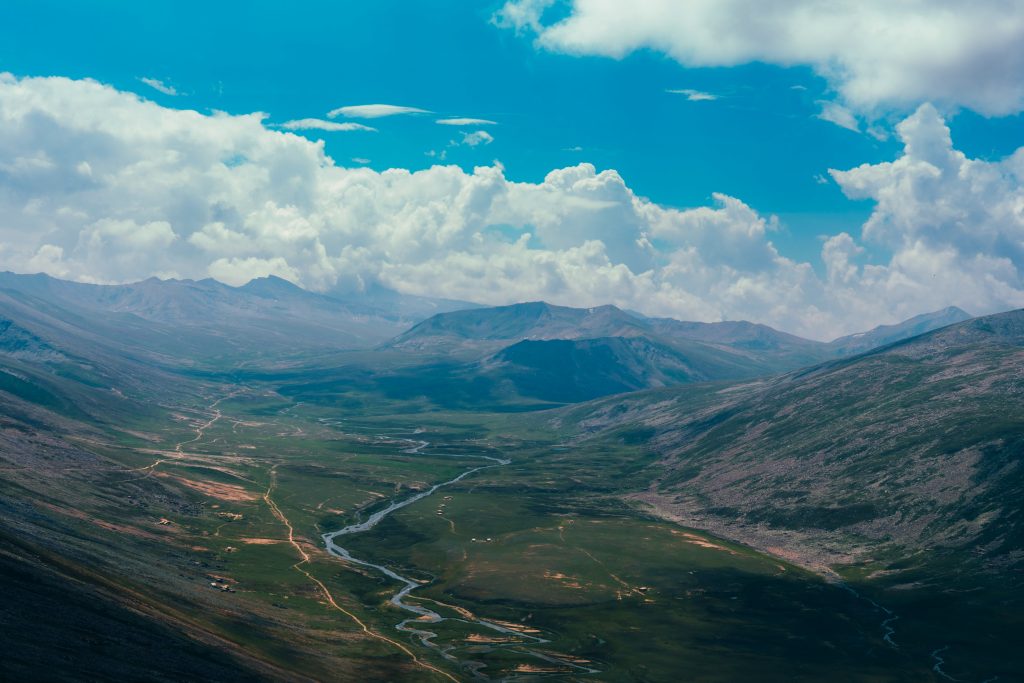
National Parks and Wildlife Sanctuaries
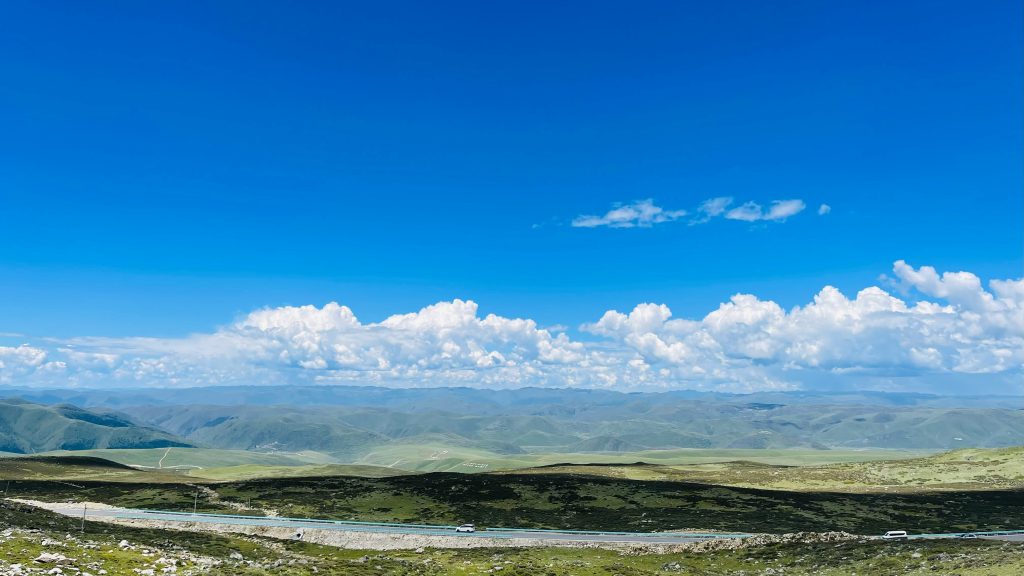
Gilgit Baltistan is a sanctuary for nature’s wonders. Its national parks and wildlife sanctuaries are treasures waiting to be explored. These protected areas preserve the region’s biodiversity and natural beauty.
The Deosai National Park is a must-visit. Known as the “Land of Giants,” it spans an elevated plateau. This park is home to rich wildlife and vibrant wildflowers during spring.
The Khunjerab National Park, situated at the China-Pakistan border, is another gem. It is known for its stunning landscapes and diverse species. The park is a refuge for the rare snow leopard and the Siberian ibex.
Key features of the national parks include:
- Breathtaking landscapes: Expansive vistas and serene environments
- Rich biodiversity: Home to rare and endangered species
- Unique ecosystems: Diverse plant life in high-altitude terrains
In addition to natural beauty, these parks are vital conservation areas. They protect various ecosystems from the impacts of climate change and human encroachment. Visitors play a crucial role in supporting these conservation efforts through responsible tourism.
The Central Karakoram National Park boasts majestic peaks and glaciers. It’s a haven for mountaineers and trekkers. Here, thrill-seekers can explore the gigantic Baltoro Glacier.
Bird watching enthusiasts can delight in the numerous avian species. The parks serve as habitats for migratory birds, creating opportunities for birdwatching. Nature photographers will find endless inspirations amidst the pristine environments.
The national parks are accessible, and guided tours are available. They provide insights into the region’s ecological and cultural significance. These tours enrich the visitor experience while fostering respect for nature.
Guidelines for visiting national parks:
- Respect wildlife: Keep a safe distance from animals
- Follow park rules: Stick to designated paths and areas
- Leave no trace: Ensure you do not disturb the natural environment
Gilgit Baltistan’s parks and sanctuaries are living testimonies to nature’s resilience. They offer a glimpse into the unspoiled beauty of the region. Visitors leave with memories of spectacular landscapes and a deeper appreciation for nature’s grandeur.
Lakes of Gilgit Baltistan Nature’s Mirrors
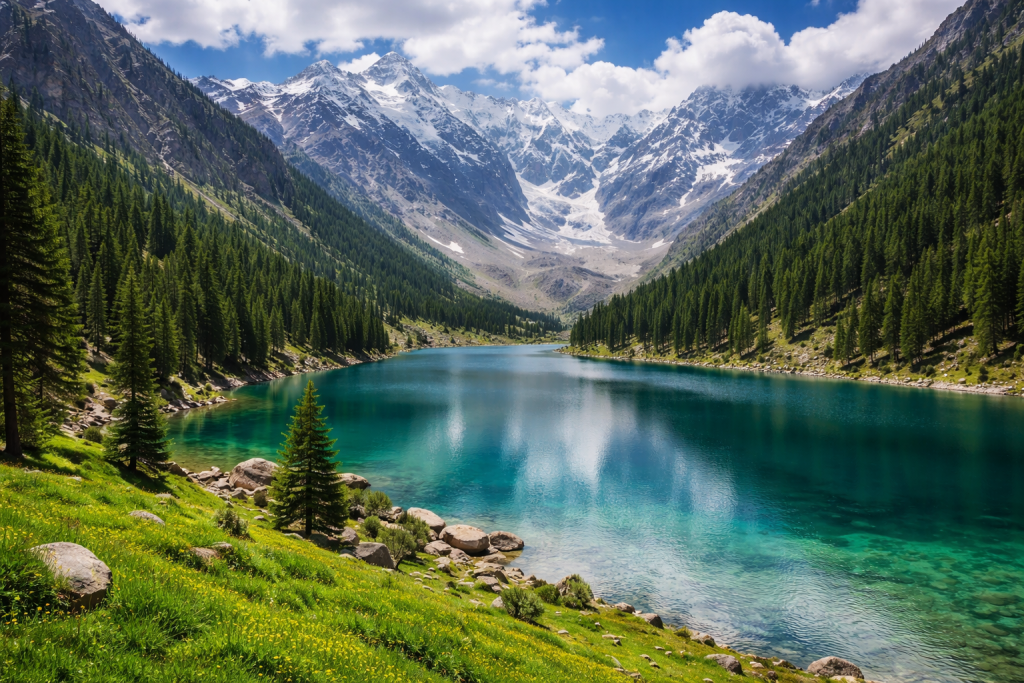
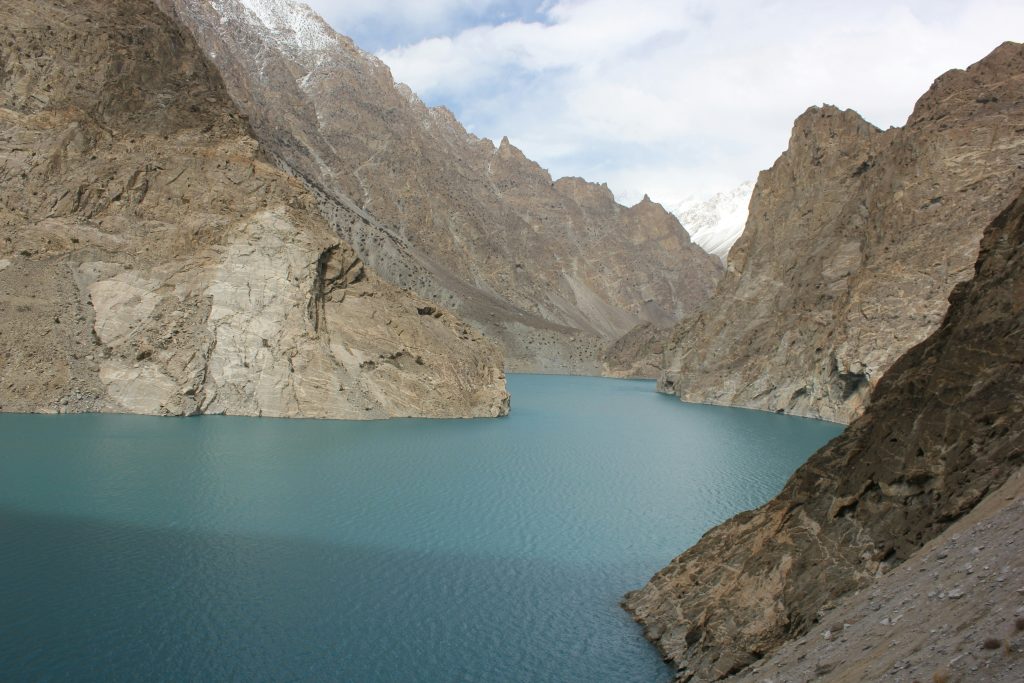
Gilgit Baltistan’s lakes are mesmerizing in their serene beauty. These sparkling blue gems are nature’s mirrors, reflecting the surrounding landscapes. They offer tranquil spots for relaxation and exploration.
Attabad Lake is one of the region’s most famous lakes. It was formed in 2010 due to a massive landslide. Its turquoise waters and dramatic backdrop make it a visual delight.
The Sheosar Lake, nestled in Deosai National Park, is another must-see. It’s one of the highest lakes in the world. The clear waters mirror the rolling plains and vast sky above.
Highlights of Gilgit Baltistan’s Lakes
- Scenic beauty: Crystal-clear waters surrounded by stunning landscapes
- Rich experiences: Opportunities for boating and photography
- Peaceful environments: Ideal for quiet contemplation and picnics
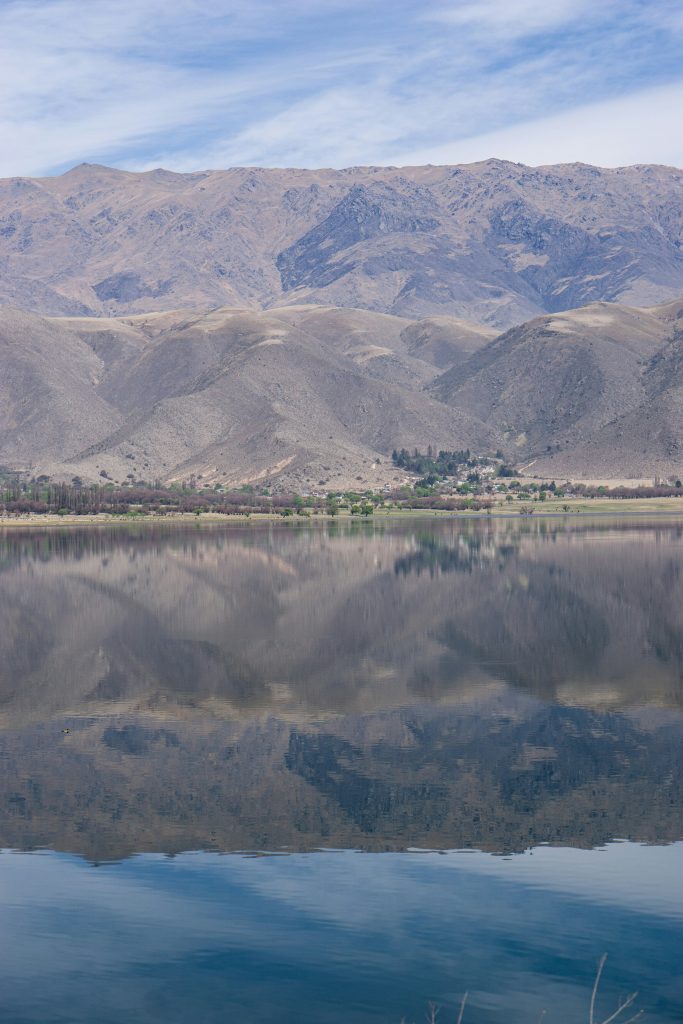
Satpara Lake, near Skardu, is known for its majestic setting. It serves as a vital water reservoir for the region. The lake’s pristine beauty captivates all who visit.
These lakes are not just scenic wonders; they have ecological importance too. They support local wildlife and provide essential water resources. Visitors should respect the delicate ecosystems and maintain cleanliness.
Planning a visit during the summer months offers the best experience. The lakes are accessible by scenic drives or short treks. Each lake presents a unique perspective of Gilgit Baltistan’s enchanting natural beauty.
Gilgit Baltistan’s lakes are nature’s masterpieces. They add to the charm and allure of this incredible region. Exploring these tranquil waters is an unforgettable experience for travelers seeking solace and splendor.
Adventure Awaits Trekking, Mountaineering, and Outdoor Activities
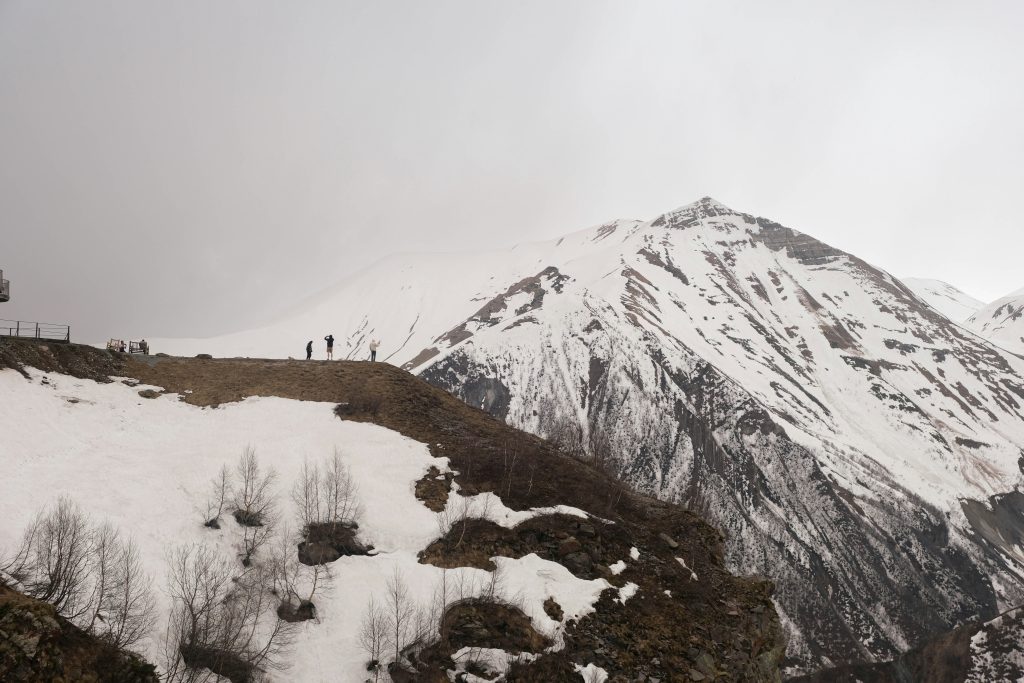
Gilgit Baltistan is a paradise for adventure seekers. Its rugged terrains and towering peaks offer endless opportunities for thrilling pursuits. The region attracts trekkers and mountaineers from around the globe.
Trekking in Gilgit Baltistan is nothing short of magical. Diverse trails lead through lush valleys, past roaring rivers, and over craggy peaks. Each path reveals breathtaking vistas and hidden natural wonders.
Mountaineers face the ultimate challenge here. The region hosts five of the world’s 14 eight-thousanders, including K2. Conquering these peaks is a dream for many climbers.
Popular Trekking Routes
- Fairy Meadows Trek: Offers stunning views of Nanga Parbat
- Hunza Valley Trails: Explore local villages and majestic landscapes
- Baltoro Glacier Trek: A challenging route to Concordia and K2 base camp
Outdoor activities extend beyond trekking and climbing. River rafting on the Indus and Gilgit rivers provides adrenaline-pumping excitement. Meanwhile, paragliding over Skardu offers a bird’s-eye view of the stunning scenery.
Cycling enthusiasts can also find their joy here. The Karakoram Highway presents a challenging route with breathtaking scenery. Mountain biking trails offer varied terrains for all skill levels.
Essential Gear for Adventurers
- Proper footwear: Sturdy boots for tough terrains
- Climbing gear: Harnesses, ropes, and helmets for safety
- Weather protection: Layers to combat changing temperatures
Preparation is vital for adventure trips. Travelers must acclimate to the altitude and plan their expeditions carefully. Hiring local guides ensures a safer and more enriching experience.
Gilgit Baltistan’s awe-inspiring landscapes beckon with promises of adventure and discovery. The blend of physical challenge and natural beauty makes it an unforgettable destination for outdoor enthusiasts. Whether scaling a peak or hiking a serene trail, the thrill of exploration awaits around every corner.
Festivals, Traditions, and Local Life
Gilgit Baltistan is a tapestry of vibrant culture, marked by its lively festivals and rich traditions. The region’s diverse ethnic groups bring unique celebrations, reflecting their deep-rooted heritage.
One of the most popular events is the Shandur Polo Festival. Held annually on the world’s highest polo ground, it combines sport with cultural festivities. Visitors enjoy traditional music, dance, and local cuisine alongside the thrilling polo matches.
Key Festivals in Gilgit Baltistan
- Jashn-e-Baharan: Marks the arrival of spring with flowers and celebrations
- Navroz: Persian New Year celebrations with traditional rituals
- Chilam Joshi: Kalash festival known for music and dance
Local traditions extend beyond festivals. Villages in Gilgit Baltistan maintain customs passed down through generations. People engage in traditional crafts like weaving and gemstone carving, reflecting the region’s artistic side.
The hospitality of Gilgit Baltistan’s inhabitants is legendary. Visitors often remark on the warmth and kindness they receive. Sharing meals and stories with local families offers a glimpse into their daily lives and values.
These cultural experiences, intertwined with breathtaking landscapes, create lasting memories for travelers. Engaging with the local culture enriches any visit, providing insights into the heart of Gilgit Baltistan’s vibrant community.
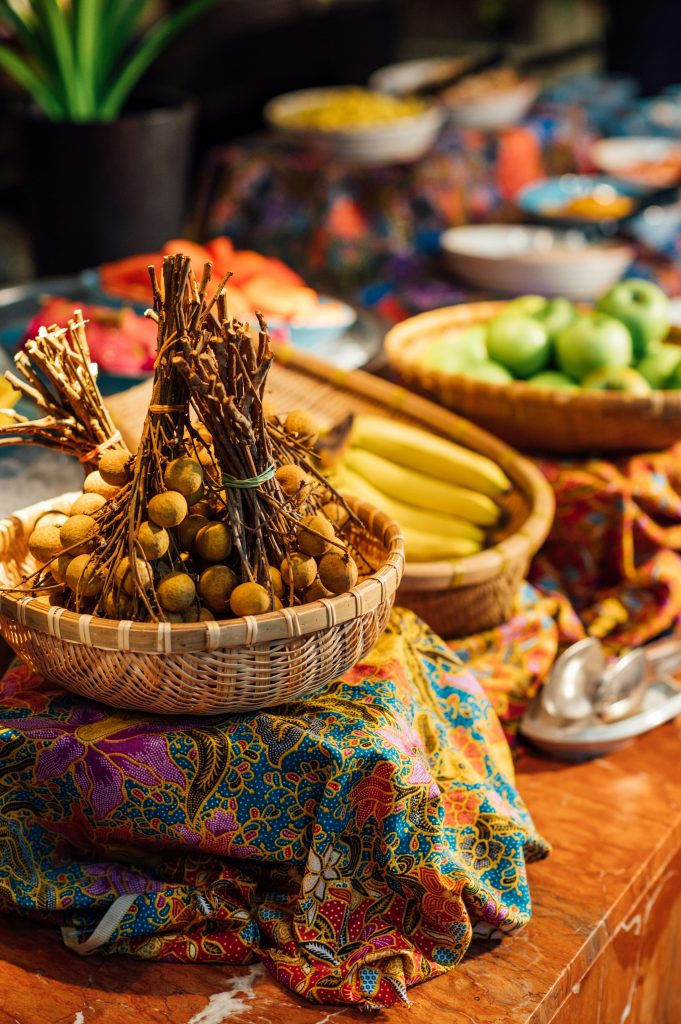
The Cuisine of Gilgit Baltistan Flavors of the Mountains
The culinary landscape of Gilgit Baltistan reflects the region’s cultural diversity and rugged terrain. Its cuisine is a blend of Central Asian and Pakistani influences, crafted to suit the high-altitude environment.
Traditional dishes here are hearty, often featuring grains, meat, and dairy products. These ingredients provide necessary sustenance for the locals in the mountainous climate.
One of the staple dishes is chappati, a whole-grain flatbread served with butter and yogurt. The locals also enjoy dried fruits and nuts, which are abundant due to the region’s fruit orchards.
Popular Dishes in Gilgit Baltistan
- Harissa: Slow-cooked mutton stew
- Biryani: A fragrant rice dish with spices and meat
- Ghee karak: Butter tea with salt, a warming drink
The unique flavors of Gilgit Baltistan offer visitors a taste of its cultural heritage. With every bite, tourists experience the warmth and hospitality of the region. Dining here is not just about food; it’s an invitation to become part of its traditions.
Practical Travel Guide How to Visit Gilgit Baltistan
Traveling to Gilgit Baltistan requires some careful planning. This remote region, with its untouched beauty, is accessible mainly by road.
The most popular route is the Karakoram Highway. This scenic drive offers breathtaking views of the mountains and valleys along the way.
Flights are also available from Islamabad to Gilgit or Skardu, weather permitting. These domestic flights offer stunning aerial views of snow-capped peaks.
Things to Pack
- Warm clothing, even in summer
- Sturdy shoes for trekking
- Lightweight backpack for essentials
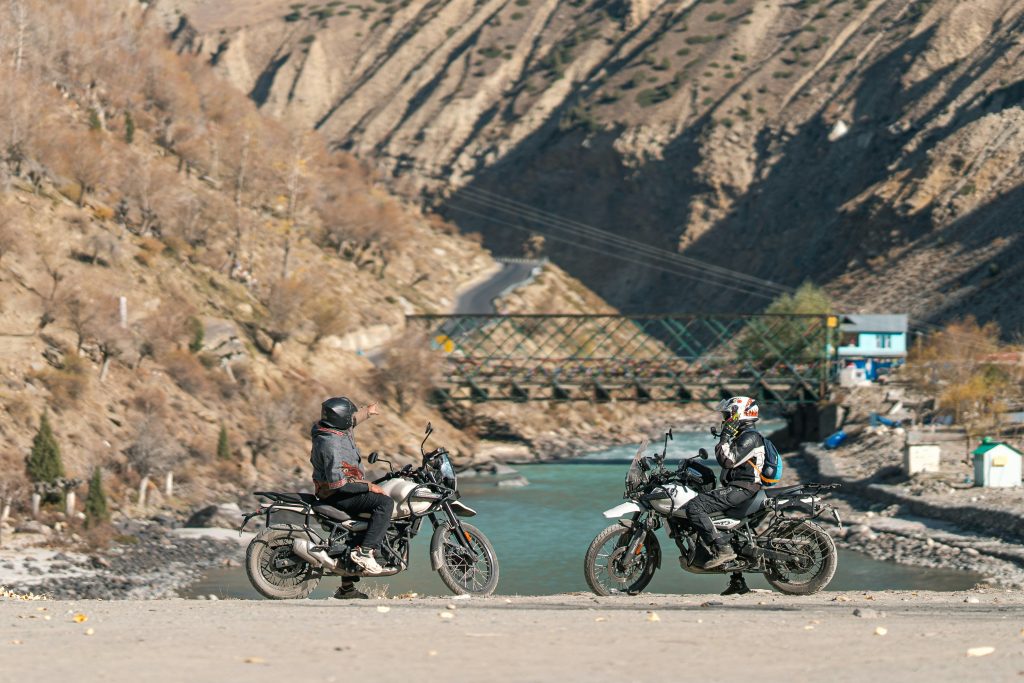
Accommodation ranges from basic guesthouses to comfortable hotels. Booking in advance is advisable, especially during peak tourist season.
Local transport options include buses, jeeps, and private car hires. These modes are essential for traveling within the region’s rugged terrain.
Travel Tips
- Carry local currency as ATMs are rare
- Respect local customs and culture
- Stay updated on weather conditions
Safety is paramount. Inform family or friends about your travel plans, and always check travel advisories before setting out.
The best time to visit is from April to October when the roads are clear and the weather is pleasant. During these months, Gilgit Baltistan reveals its full splendor, making every journey unforgettable.
Sustainable Tourism and Conservation Efforts
Gilgit Baltistan is a natural wonder that requires mindful travel practices. To preserve its unique landscape, sustainable tourism is crucial.
Local authorities and communities actively promote responsible travel. They focus on minimizing environmental impact and supporting community-led initiatives.
Key Conservation Practices
- Eco-friendly accommodations and services
- Waste reduction and management systems
- Encouragement of local heritage and craftsmanship
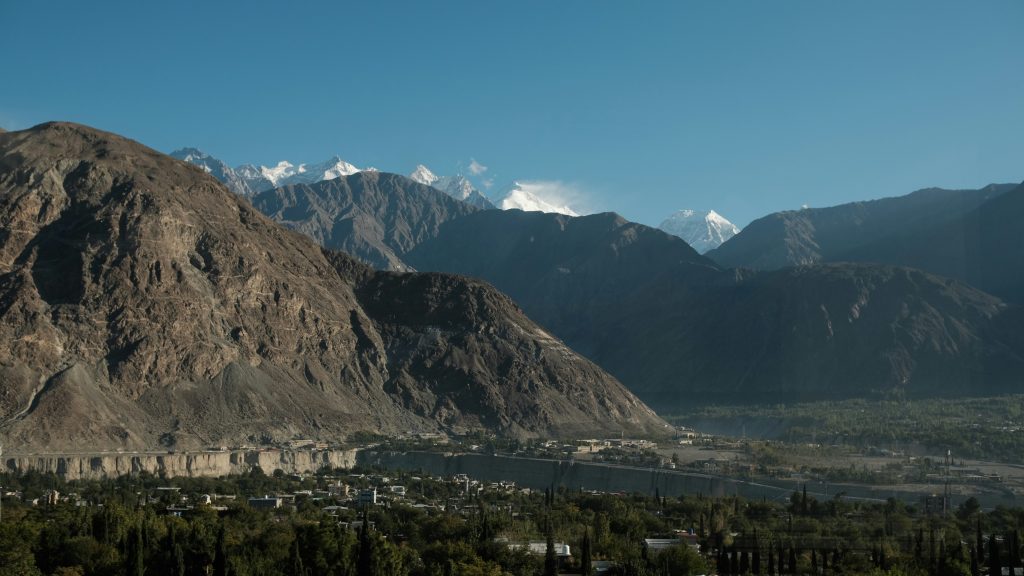
Many projects emphasize the importance of conserving biodiversity. Wildlife sanctuaries and national parks play vital roles in protecting local fauna and flora.
Travelers are encouraged to respect nature and cultural sites. This respect ensures that future generations will also enjoy Gilgit Baltistan’s stunning beauty and cultural richness.
Essential Tips for Travelers
Visiting Gilgit Baltistan requires some preparation. Ensuring a smooth trip involves understanding local customs and practicalities.
First, pack for varying climates. Temperatures can shift drastically between day and night. Layered clothing is advisable.
Travel Essentials
- Passport and visa (if required)
- Weather-appropriate clothing
- Sturdy footwear for trekking
Cash is king in the remote areas. Many places do not accept credit cards, so carry enough local currency.
Safety and Cultural Tips
- Respect local customs and traditions
- Seek permission before photographing locals
- Stay updated on local weather forecasts
Transportation options can be limited. Plan travel routes and accommodations in advance to avoid inconvenience.
Being prepared enhances the travel experience. By following these tips, visitors can enjoy everything Gilgit Baltistan offers without unnecessary hassles.
Conclusion: Why Gilgit Baltistan Should Be on Your Bucket List
Gilgit Baltistan offers a rare blend of natural wonders and rich culture. Its scenic landscapes are both serene and dramatic, making it a photographer’s paradise.
Cultural heritage stands out vividly in the region, drawing explorers and history buffs alike. Festivals and local crafts showcase vibrant traditions. These elements create an enriching experience for visitors.
Adventure seekers find a haven in Gilgit Baltistan. Trekking, mountaineering, and other outdoor activities abound. Each adventure promises breathtaking views and thrilling experiences.
The hospitality of local communities leaves a lasting impression. Visitors often return, enchanted by the warmth and friendliness they encountered. A trip to Gilgit Baltistan is not just travel; it’s a journey into a world of beauty and culture.