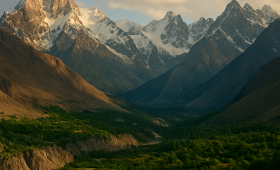
Introduction to Gilgit Baltistan Valleys
Gilgit Baltistan is one of the most captivating and unexplored regions of Pakistan. Known for its towering peaks, sparkling rivers, and lush meadows, the Gilgit Baltistan Valleys offer a unique escape from the bustling world. Though the region is famous for its peaks like K2 and Nanga Parbat, the valleys remain hidden gems that offer untouched natural beauty. In this post, we will explore the most beautiful and unexplored valleys in Gilgit Baltistan, where adventure awaits and nature’s grandeur is still preserved.
Shandur Valley The Roof of the World
The famous Shandur Valley is one of the most iconic valleys in Gilgit Baltistan. Known for its polo festival, this region offers much more than just a game. Nestled at an elevation of over 3,700 meters above sea level, Shandur is often referred to as the “Roof of the World”. The surrounding landscapes, complete with pristine lakes, snow-capped mountains, and wide, open meadows, make it a paradise for trekkers and nature lovers.
- Attractions: The Shandur Polo Festival, the majestic Shandur Pass, and the spectacular meadows.
- Activities: Polo, trekking, camping, and cultural exploration.
Braldu Valley Hidden in the Karakoram Range
Located in the heart of the Karakoram range, Braldu Valley offers one of the most authentic and off-the-beaten-path experiences. Known for its rugged terrain and glaciers, this valley remains largely unexplored. Braldu is home to the indigenous Shina people and offers visitors a unique cultural experience combined with breathtaking natural scenery.
- Attractions: Braldu Glacier, indigenous Shina culture, and awe-inspiring mountain views.
- Activities: Hiking, photography, and cultural immersion.
Kandia Valley The Serene Retreat
Kandia Valley is one of the lesser-known gems of Gilgit Baltistan Valleys. Located in the Ghizer District, Kandia is famous for its lush green fields, crystal-clear rivers, and traditional wooden houses. The valley is an ideal place to experience local culture and enjoy the serenity of nature without the distractions of mass tourism.
- Attractions: Lush forests, alpine meadows, and peaceful villages.
- Activities: Trekking, wildlife watching, and photography.
Naltar Valley Snowy Peaks and Vibrant Meadows
Naltar Valley is another Gilgit Baltistan valley that remains off the radar for most travelers. Known for its ski resort, Naltar is surrounded by towering snow-capped peaks and pristine lakes. The valley is a vibrant combination of thick pine forests, colorful wildflowers, and tranquil lakes, making it a hidden paradise for nature lovers and trekkers.
- Attractions: Naltar Lake, pine forests, and vibrant meadows.
- Activities: Skiing, trekking, and photography.
Yasin Valley The Switzerland of Pakistan

Yasin Valley, often called the “Switzerland of Pakistan”, is a picturesque valley known for its pristine beauty and unspoiled landscapes. The valley offers a peaceful escape, surrounded by snow-capped mountains and green meadows. Visitors can explore the traditional stone houses and the terraced fields that dot the landscape, providing a glimpse of life in the remote areas of Gilgit Baltistan.
- Attractions: Snow-covered peaks, terraced fields, and traditional stone houses.
- Activities: Trekking, cultural exploration, and photography.
Ratti Gali Lake A Hidden Alpine Oasis
Though not a traditional valley, Ratti Gali Lake deserves mention for its unparalleled beauty. Located near the Azad Kashmir region, this alpine lake is known for its vibrant blue waters, surrounded by snow-capped peaks. The trek to Ratti Gali Lake offers a challenging yet rewarding experience for trekkers seeking to explore one of the most untouched natural spots in Gilgit Baltistan.
- Attractions: Crystal-clear alpine lake, rugged landscapes, and surrounding meadows.
- Activities: Trekking, camping, and photography.
Gupis Valley Serenity Amidst Majestic Peaks
Located near the base of Rakaposhi, Gupis Valley is one of the more peaceful and lesser-known destinations in Gilgit Baltistan Valleys. The valley is home to quaint wooden houses, green meadows, and clear rivers. It offers a serene escape for those looking to enjoy nature’s beauty without the crowds.
- Attractions: Gupis Fort, green meadows, and mountain views.
- Activities: Hiking, cultural exploration, and relaxation.
Best Time to Visit Gilgit Baltistan Valleys
The best time to visit Gilgit Baltistan Valleys is from May to September when the weather is ideal for trekking and outdoor activities. The summer months bring lush greenery and vibrant wildflowers, while the winter months often bring snow, making the valleys look like winter wonderlands.
How to Reach Gilgit Baltistan Valleys

Reaching Gilgit Baltistan Valleys can be an adventure in itself. Most travelers fly into Gilgit or Skardu, and from there, they take either jeep rides or local buses to reach the various valleys. Some areas may require special permits, so it’s important to check with local authorities before heading out.
Conclusion
The Gilgit Baltistan Valleys offer a truly authentic experience for those looking to explore the untouched beauty of northern Pakistan. From the snow-capped peaks of Shandur and Yasin to the serene rivers of Gupis and Braldu, each valley is a unique treasure waiting to be discovered. Whether you are an adventure seeker, a nature lover, or a culture enthusiast, these unexplored valleys are sure to leave you with unforgettable memories.
Q&A Section
Q1: What makes the Gilgit Baltistan valleys so special?
A: The Gilgit Baltistan valleys are known for their untouched natural beauty, rugged terrain, and remote location, making them ideal for adventure lovers. These valleys are surrounded by some of the highest mountain ranges in the world, including the Karakoram, and feature pristine lakes, meadows, and rivers. The culture of the region is also unique, with many valleys home to indigenous communities who have preserved their traditions for centuries.
Q2: Are these valleys suitable for trekking?
A: Yes! The Gilgit Baltistan valleys offer a variety of trekking opportunities, from moderate to challenging. Valleys like Shandur and Braldu are perfect for experienced trekkers, while Kandia Valley and Naltar Valley offer easier treks for beginners. Each valley provides spectacular views, making it a rewarding experience for nature enthusiasts.
Q3: What is the best time to visit Gilgit Baltistan valleys?
A: The best time to visit is from May to September. During these months, the weather is pleasant and ideal for outdoor activities such as trekking, hiking, and camping. However, if you’re interested in snow sports, the winter months, especially in Naltar Valley, offer snow-covered landscapes.
Q4: Do I need permits to visit these valleys?
A: Yes, certain areas in Gilgit Baltistan require permits, especially those near the borders or in more remote locations like Braldu Valley. It is important to check with local authorities or tour operators before planning your trip.
Q5: Can I camp in these valleys?
A: Camping is allowed in most of the valleys, but it is advisable to carry your own camping gear. Some valleys, like Shandur, have designated camping sites, while others, such as Ratti Gali Lake, are more rugged and suitable for wild camping.
F&Q Section
What should I pack for trekking in Gilgit Baltistan valleys?
For trekking in Gilgit Baltistan valleys, you’ll need to pack essentials such as:
Sturdy trekking boots
Warm clothing (especially in the higher altitudes)
Sleeping bag (for camping)
Sunscreen, sunglasses, and a hat (to protect against UV exposure at higher altitudes)
Waterproof jacket (for unexpected weather changes)
Camera gear (to capture the stunning landscapes)
Are there local guides available for trekking?
Yes, local guides are available in most of the valleys. Hiring a guide is highly recommended, especially for areas like Braldu Valley and Ratti Gali Lake, where the terrain can be challenging. Local guides provide valuable insights into the culture, geography, and history of the region.
Is it safe to travel to Gilgit Baltistan?
Yes, Gilgit Baltistan is generally safe for tourists. However, it’s always a good idea to check the current travel advisories and keep informed about any local conditions, particularly in remote areas. It’s also advisable to travel with a local guide who knows the terrain and customs.
Can I travel by public transport in Gilgit Baltistan?
Public transport is available but limited, especially for reaching more remote valleys. Jeep rides and local buses are common options, but for more distant locations, it may be better to hire a private vehicle or arrange transport through a tour operator.
How can I ensure I leave a minimal impact on these pristine valleys?
To preserve the natural beauty of the Gilgit Baltistan valleys, it’s important to follow these guidelines:
Avoid littering; always carry your trash back with you.
Stick to established trails to minimize environmental damage.
Respect local customs and traditions.
Stay in eco-friendly accommodations or camp responsibly.
Are there any cultural experiences to enjoy in these valleys?
Yes! Many of the valleys are home to indigenous communities with unique cultural practices. For example, in Shandur, you can experience the Shandur Polo Festival. In Yasin Valley, you can witness the traditional lifestyle of the local people. Many valleys also offer opportunities to explore local handicrafts, cuisine, and festivals.
Can I visit these valleys independently, or should I join a tour?
While it is possible to visit some of these valleys independently, joining a guided tour can offer several benefits, especially for those new to trekking or unfamiliar with the area. A tour guide can help with permits, transportation, and provide local knowledge that enhances the experience.